Ask any piano technician what makes a great instrument, and you will hear about soundboards, strings and craftsmanship. Yet one of the most influential components in a piano is also one of the quietest: felt. Every time a key is pressed, a felt-covered hammer strikes the strings, and the tone that reaches the listener is shaped by the density, elasticity and consistency of that felt. Behind every high-quality piece of piano felt is a raw material that rarely gets the attention it deserves: carbonized wool.
What Is Carbonized Wool?
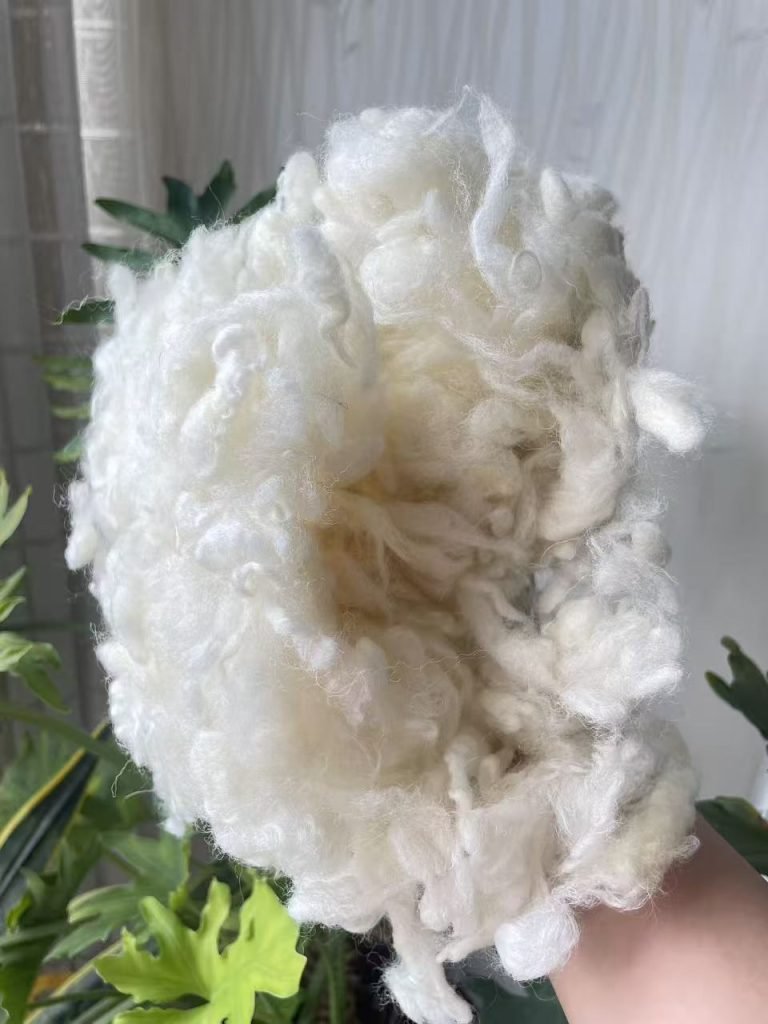
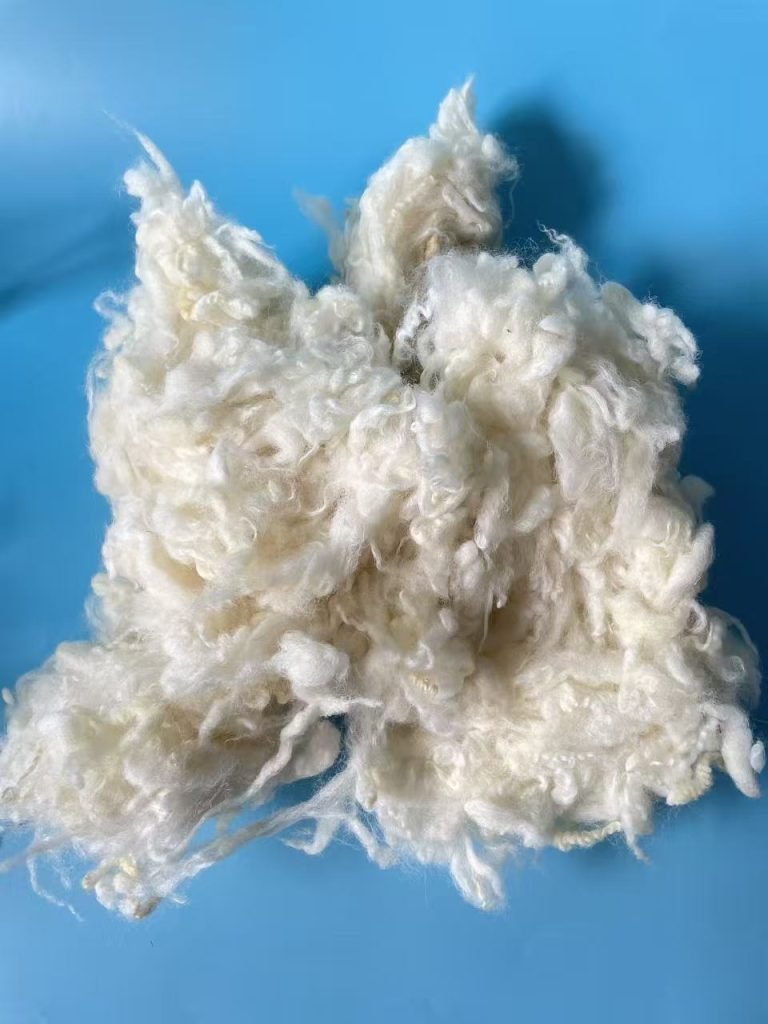
Carbonized wool is raw wool that has been cleaned through a carbonizing process. Natural fleece contains vegetable matter such as burrs, seeds, straw, and plant fragments picked up in the pasture. Ordinary washing removes grease and dirt, but it cannot remove these cellulose impurities. In the carbonizing process, the wool is treated with a mild acid solution, then dried and baked so the plant matter becomes brittle and turns to carbon. Mechanical crushing and dusting remove the residue, and the wool is neutralized and rinsed afterward.
The result is clean, soft, uniform fiber, free from the vegetable contamination that can cause weak spots, uneven surfaces, and inconsistent compression in finished felt. For piano manufacturers and felt makers, that cleanliness is not a luxury. It is a basic requirement.
Why Piano Felt Demands Such Clean Fiber
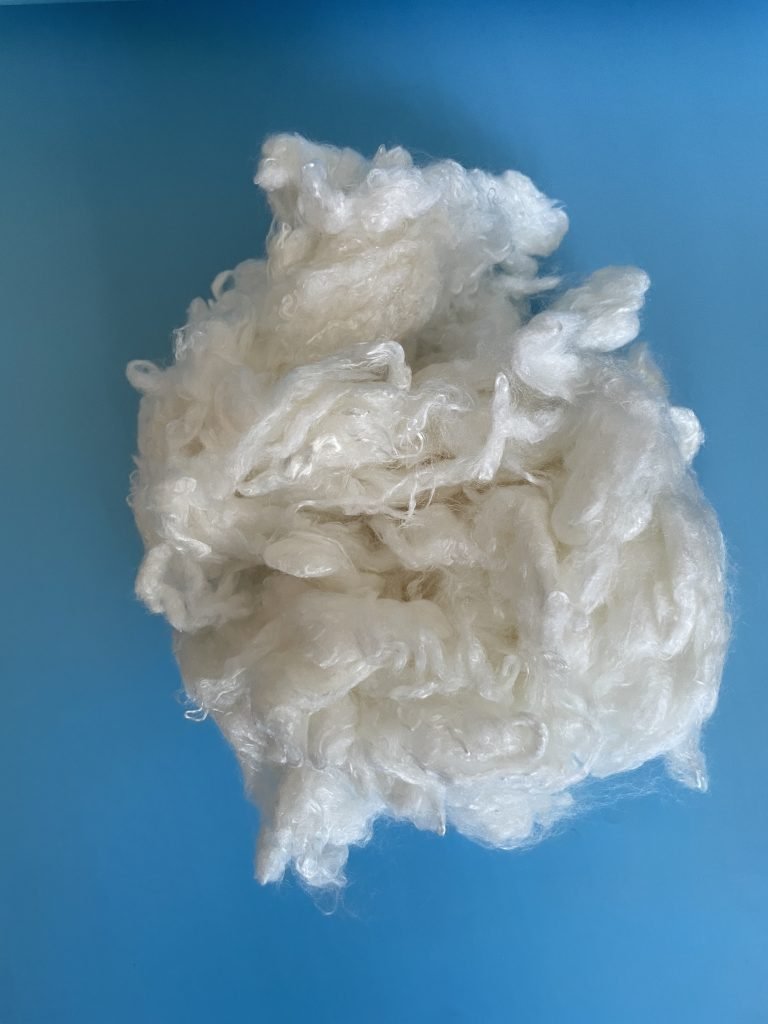
Felt is made by combining wool fibers with moisture, heat, and pressure until the scales on each fiber interlock into a dense, resilient sheet. Because piano felt is pressed, shaped, and often needled to precise tolerances, any foreign particle inside it becomes a potential flaw. A tiny piece of plant matter buried in a hammer can create a hard spot, and a hard spot means an uneven strike, a harsh partial, or a note that sounds slightly different from its neighbors.
Carbonized wool reduces this risk. With vegetable matter removed, the fibers can be carded, blended, and compressed more evenly. The finished felt has a smoother surface, a more stable structure, and more predictable behavior under repeated impact. For a hammer that strikes a string thousands of times over its working life, that predictability is everything.
From Fiber to Felt: Where Carbonized Wool Is Used
Within a piano, felt appears in far more places than most players realize. The most famous is the hammer, but the action, keybed and string area all rely on specialized felt, and carbonized wool is a valued raw material across these applications.
Hammer felt is the most demanding application. It must be firm enough to deliver a clear, projecting tone, yet elastic enough to soften when the pianist plays gently. The base fiber needs to be fine, resilient, and consistent so that it can be pressed into a graduated density, firmer at the core and softer toward the striking surface.
Damper felt controls how cleanly a note stops when the key is released. It needs to be soft and evenly textured so it can sit against the strings without buzzing, sticking or leaving fiber behind.
Bushing cloth and punchings reduce friction and noise at the pivot points of the action. Here, uniform fiber supports a smooth, quiet, and long-lasting movement.
Underfelts, backchecks, key cushions and rail cloths absorb shock and silence mechanical noise. Clean, well-blended wool gives these parts the cushioning they need without hard spots that might transmit unwanted sound.
In each case, the quality of the finished part begins with the quality of the raw wool.
The Qualities Felt Makers Look For
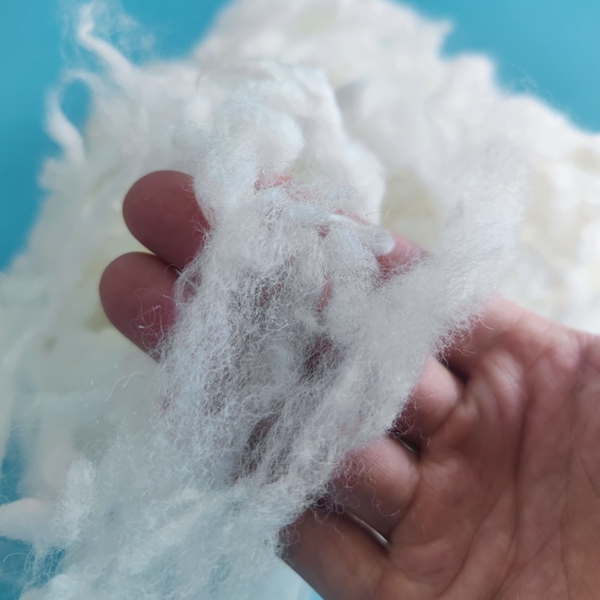
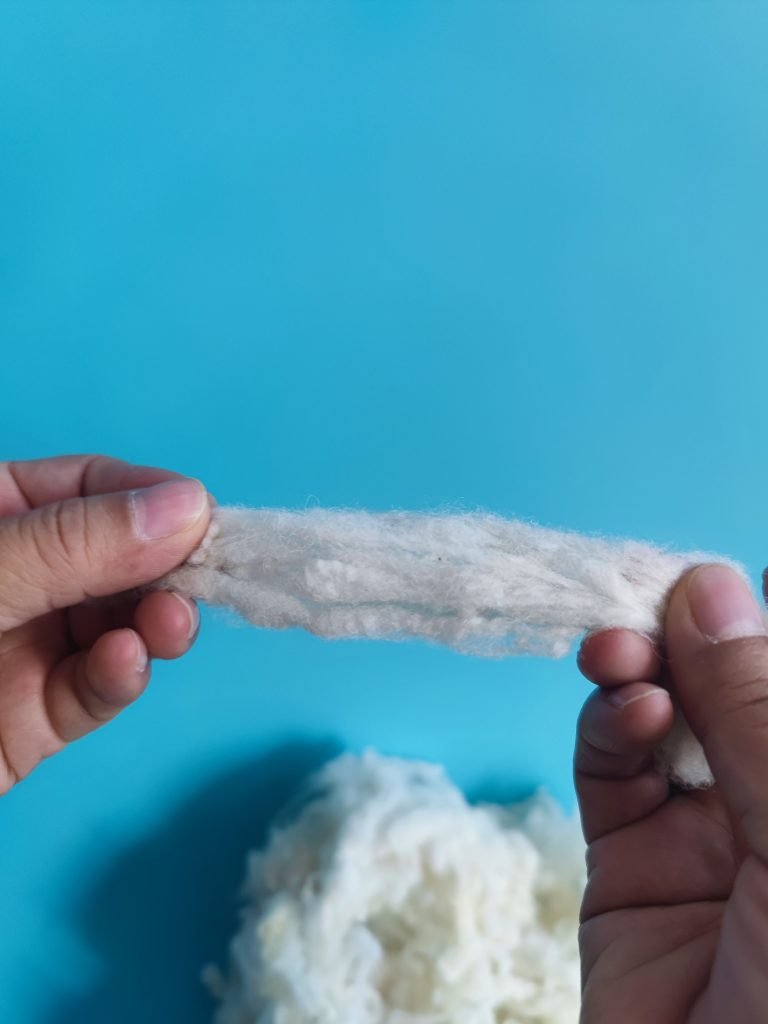
Not all carbonized wool is equal, and experienced buyers evaluate it carefully. Fiber fineness is a key factor, because finer wool tends to produce denser, smoother and more elastic felt. Fiber length affects how well the wool can be carded and how strongly it interlocks during felting. Color and cleanliness matter as well, since a bright, even shade indicates thorough processing, while residual specks or yellowing may signal problems.
Consistency from batch to batch is just as important. A felt factory that produces thousands of hammers each month cannot afford variation in its raw material. If one lot of wool behaves differently from the next, the resulting felt will differ in density and tone, forcing costly adjustments in production. Reliable suppliers therefore control sorting, blending and processing parameters closely, so that every shipment performs the same way on the production line.
Residual acidity is another point of attention. Proper neutralization after carbonizing leaves the fibers soft, flexible and ready to felt well, without brittleness. Well-processed carbonized wool feels lively in the hand and responds predictably during carding and pressing.

Benefits for Piano Felt Manufacturers
Choosing carbonized wool built for felt production brings practical advantages. Cleaner fiber means fewer rejected sheets and less waste during cutting and shaping. Uniform blending leads to more stable density, which simplifies the production of graded hammer felt. Better fiber consistency also supports smoother needling and voicing later on, so piano technicians spend less time correcting uneven hammers and more time refining tone.
For piano makers, the benefit shows in the instrument itself: a more even tonal color across the keyboard, better repeatability from one piano to the next and parts that hold their shape and performance over years of playing.
Supporting Custom Requirements
Different felt products call for different wool blends. A hammer felt manufacturer may want fine, resilient fiber for dense pressing, while a producer of damper or bushing felt may prefer a softer, more open blend. Flexible suppliers can adjust fiber grade, blending ratio, packaging and delivery to match each customer’s process. Sample testing is also valuable, because it lets felt makers evaluate carding behavior, felting performance and final texture before committing to a larger order.
A Small Material with a Big Influence
When a pianist plays a soft passage and the sound blooms warm and round, or hits a powerful chord that rings clear and bright, a thin layer of felt is doing a great deal of the work. That felt, in turn, owes its character to the wool it came from and to the care taken in cleaning it. Carbonized wool is the quiet foundation of that chain: invisible in the finished piano, yet audible in every note.
For felt manufacturers, piano part makers and instrument brands, sourcing the right carbonized wool is one of the simplest ways to improve product consistency and sound quality at the same time.
Call to Action
Looking for reliable carbonized wool for piano felt production? Contact us today to request samples, discuss fiber grades and get a quotation tailored to your hammer felt, damper felt or action felt needs. Tell us your specifications and monthly volume, and our team will recommend the right wool for your process. Send your inquiry now and let’s build better piano sound together.