If you have ever spent hours felting a bag only to find tiny bits of grass, seed husks or straw poking through the surface, you already understand why fiber quality matters. Felt bags are structural, tactile products. They are handled every day, carried against clothing and judged by touch as much as by sight. That is why more and more bag makers, studios and small factories are turning to carbonized wool as their base material.
What Is Carbonized Wool?
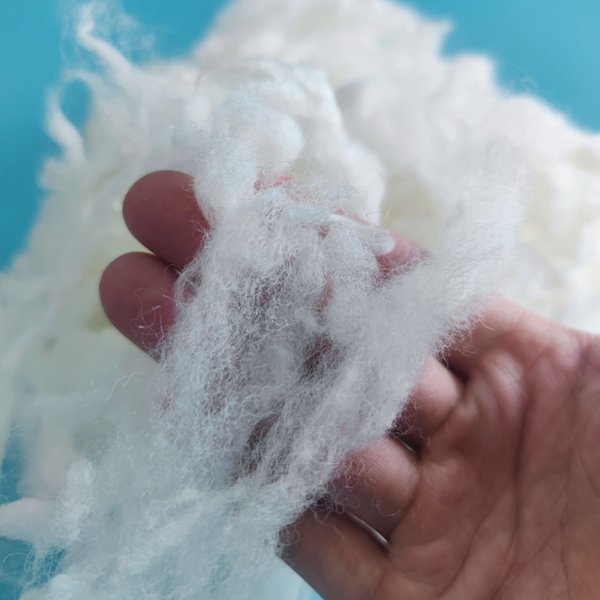
Raw wool comes off the sheep full of natural impurities. Vegetable matter such as burrs, seeds, twigs and straw tangles through the fleece, and ordinary washing cannot remove it completely. Carbonizing is the process used to deal with this problem. The wool is treated with a mild acid solution and then heated, which turns the plant matter brittle and easy to break down. It is then crushed and shaken out, leaving behind clean, soft fiber.
The result is wool that looks brighter, feels smoother and behaves far more predictably during production. For anyone making felt bags, whether by wet felting, needle felting or industrial pressing, this predictability is a major advantage.
Why Felt Bag Makers Prefer Carbonized Wool
A cleaner surface finish. Bags show every flaw. A single piece of vegetable matter can ruin a pale pink handbag or a light grey laptop sleeve. Carbonized wool removes this risk, so the finished surface looks smooth and uniform, even on light colors.
Better dyeing results. Vegetable matter does not absorb dye the way wool does. In raw or poorly cleaned fiber, these particles show up as pale or dark specks after dyeing. Carbonized wool takes color evenly, which means richer shades, fewer rejected pieces and more reliable color matching from batch to batch.
Smoother felting. Clean fiber meshes together more evenly. Without debris interrupting the process, the fibers lock into a dense, consistent fabric. This is especially important for bags, which need firmness and shape retention, not just softness.
Less waste and rework. Picking out debris by hand is slow and expensive. For a workshop producing dozens or hundreds of bags, the time saved by starting with clean material adds up quickly. Fewer defects also means fewer returns and happier customers.
Where Carbonized Wool Works Best
Carbonized wool suits a wide range of felt bag styles and production methods.
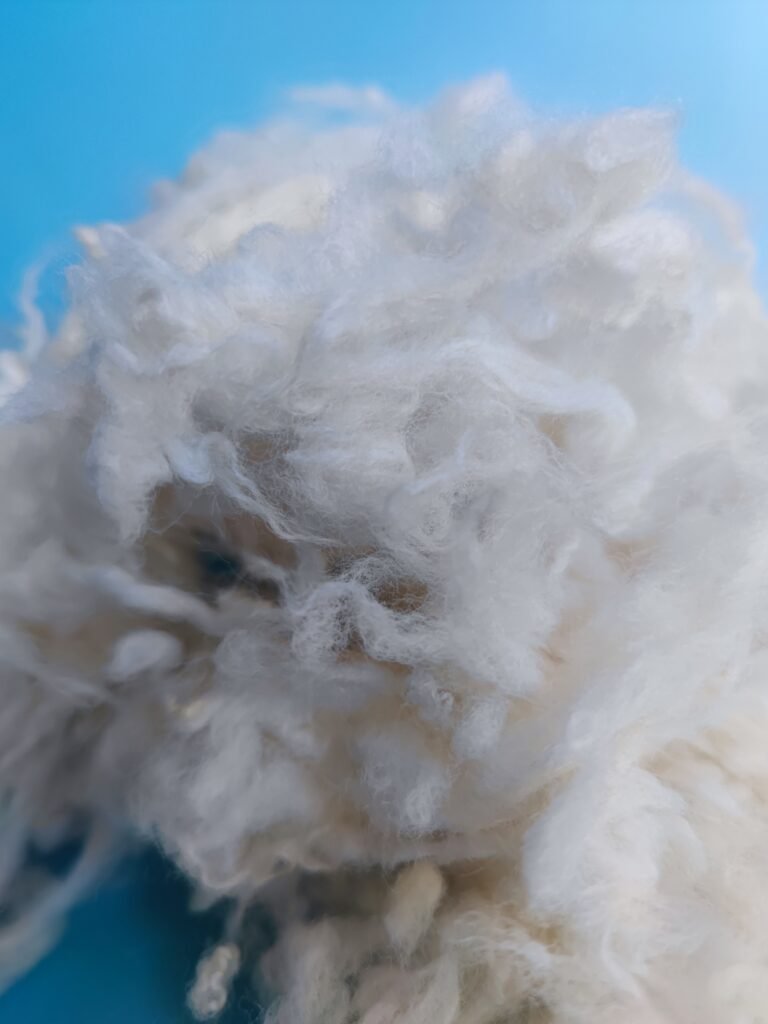
For wet-felted handbags and totes, the fiber produces a dense, even felt with a pleasant hand feel. For needle-felted designs such as decorative panels, animals and appliqué details, clean fiber is easier to sculpt and leaves no unwanted flecks on the surface. For industrial felt sheets cut and sewn into bags, carbonized wool gives consistent thickness and color across large runs. For laptop sleeves, pouches and cosmetic bags, the smooth finish gives a premium look that buyers notice immediately.
It also works well in blends. Many makers combine carbonized wool with other fibers to adjust softness, weight or cost, and its clean, uniform character makes blending straightforward.
What to Look for When Buying
Not all carbonized wool is the same, so it pays to know what matters when sourcing.
Fiber fineness and length. Finer fiber feels softer and suits delicate items, while slightly coarser fiber gives more body and durability. Match the grade to the bag you are making.
Cleanliness. Ask for samples and check them under good light. Good carbonized wool should be free of visible plant matter and look evenly clean throughout.
Color and brightness. If you plan to dye pastels or whites, look for bright, consistent fiber. Variation in base color will show up in the final product.
Consistency between batches. A supplier who delivers the same quality order after order saves you from re-testing recipes and adjusting your process every time.
Packaging and supply reliability. Moisture-protected packing, clear labeling and dependable lead times matter, especially if you sell seasonally or take custom orders.
Tips for Getting the Best Results
Even with good material, a few habits improve your outcome. Store wool in a dry, ventilated place away from direct sunlight. Pre-test a small sample for shrinkage and density before starting a large run, since felting ratios vary depending on fiber type and your method. Keep your water temperature and agitation consistent. When dyeing, wet the fiber thoroughly first so color penetrates evenly. And if you are developing a new bag design, test one batch before committing to full production.
A Smart Choice for Growing Brands
For small studios, carbonized wool means higher quality with less frustration. For larger manufacturers, it means efficiency, consistency and fewer production headaches. In both cases, clean raw material is the foundation of a good product. Customers may never see the fiber before it becomes a bag, but they can feel the difference in the finished piece, and that difference is what turns first-time buyers into repeat customers.
Whether you are launching a handmade felt bag line, expanding an existing collection, or sourcing material for wholesale production, choosing the right carbonized wool is one of the simplest ways to raise your product quality from the very start.
Ready to Start Your Next Felt Bag Project?
Looking for reliable carbonized wool for felt bags? Contact us today to request free samples, discuss your project needs, and receive a fast quote. Tell us your bag type, target color and monthly volume, and we will recommend the right grade for you. Send your inquiry now and let’s make your next collection your best one yet.