When we think of keeping fresh produce, medicine, or seafood at the right temperature during transport, we usually picture foam boxes, plastic liners, or synthetic insulation. But one of the best solutions has been around for thousands of years: wool felt.
What Is Wool Felt?
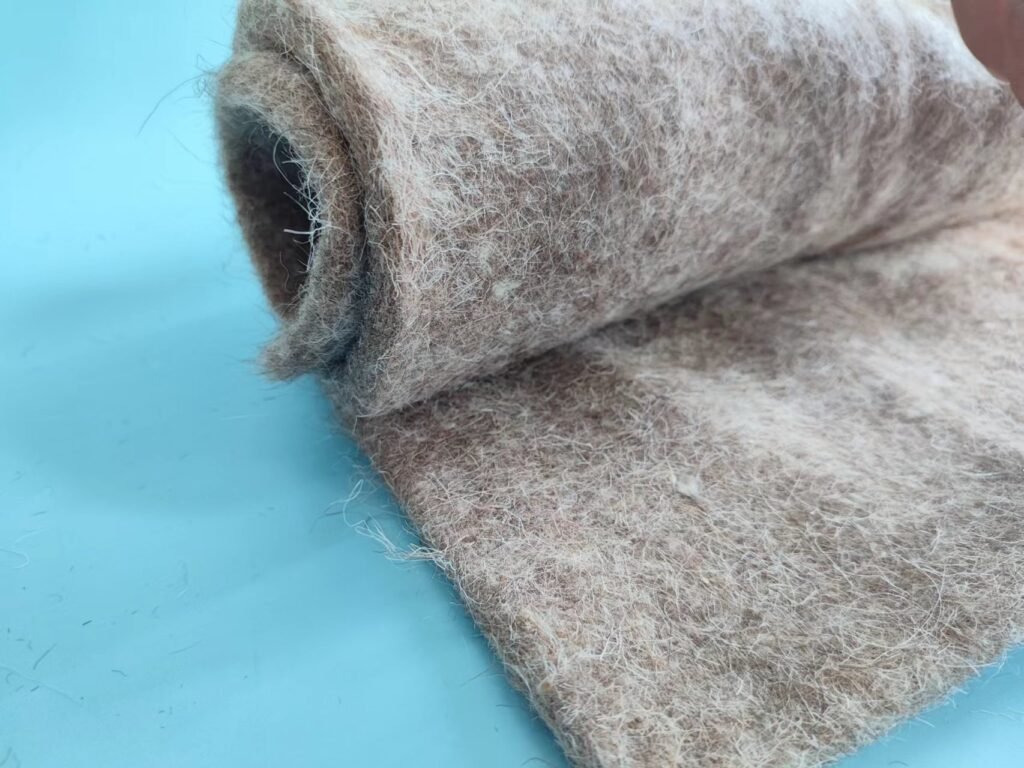
Made from 100% natural wool fibers, this felt is soft, dense, and slightly fluffy, with long fibers visible on the surface. In the photo above, you can see the natural variation in color, from warm cream to earthy brown, which comes from the raw wool itself and not from artificial dyes. It is flexible enough to roll up like fabric, yet thick enough to provide serious insulation.
Why Wool Works So Well
Wool fibers are naturally crimped, which traps millions of tiny air pockets within the material. Still air is one of nature’s best insulators, so these pockets slow the transfer of heat in both directions. That means wool felt can keep cold cargo cool and sensitive items protected from sudden temperature swings, an important quality for goods that spoil easily.
Wool also manages moisture well. It can absorb water vapor without feeling wet, which helps reduce condensation inside packaging. For fruit, vegetables, and seafood, this means less dampness, less mold risk, and better freshness on arrival.
Ideal for Sensitive Cargo
Wool felt suits a wide range of temperature-sensitive shipments:
- Fruits and vegetables: Gentle cushioning prevents bruising while insulation slows ripening and spoilage.
- Pharmaceuticals: Stable temperatures help protect medicines and other products that must stay within a strict range.
- Seafood: Reliable insulation and moisture control help keep catches fresh from dock to doorstep.
Natural, Safe, and Sustainable
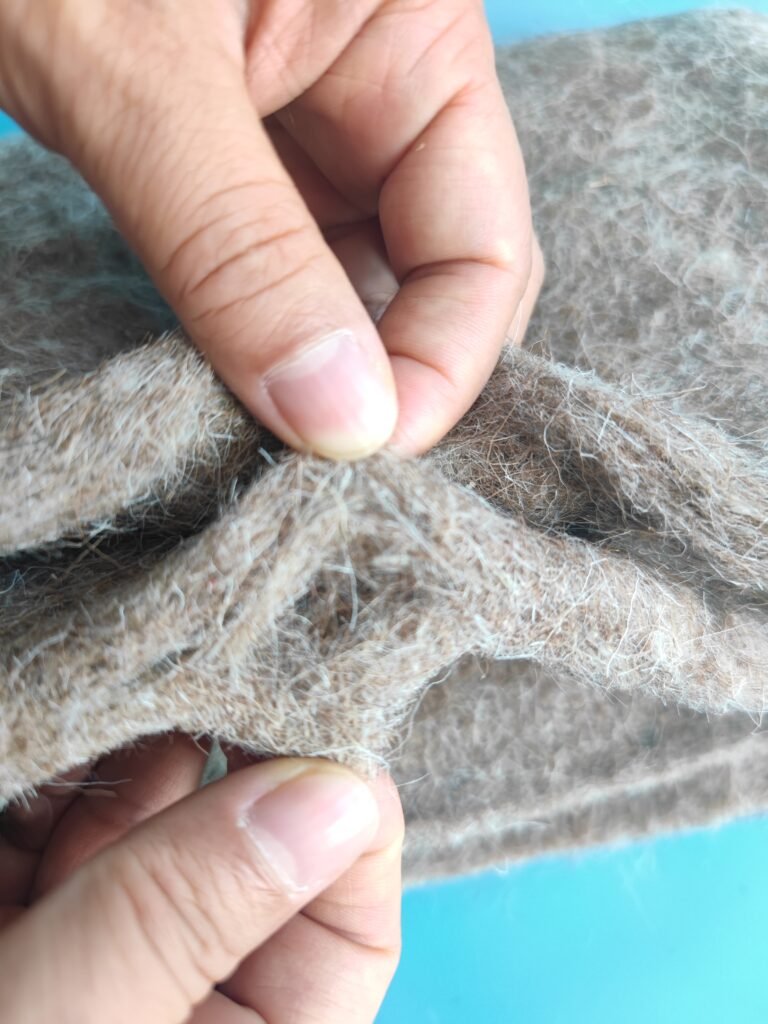
Sustainability is becoming a priority for businesses and consumers alike. Wool felt is a renewable resource, since sheep grow a new fleece every year. It contains no harmful chemical binders, so it is safe to use around food and medicine. And unlike plastic foam, it is biodegradable, so it will not linger in landfills for centuries. Wool is also durable and can often be reused, which reduces waste further.
A Smarter Choice for the Cold Chain
As industries look for greener alternatives to petroleum-based packaging, wool felt offers a rare combination of performance and responsibility. It is soft on delicate goods, effective against temperature changes, and kind to the planet.
If you are looking for an insulation material that protects your products and reflects your environmental values, 100% wool felt deserves a place on your shortlist. Sometimes the best innovation is a return to nature.