Wool is a highly valued natural fiber, and its characteristics can vary significantly depending on the breed of sheep and the environment in which they are raised. Australia, New Zealand, and China are all major wool producers, but the wool from each region has distinct qualities. This article will compare the characteristics of wool from these three regions, highlighting their differences and unique attributes.
Australian Wool
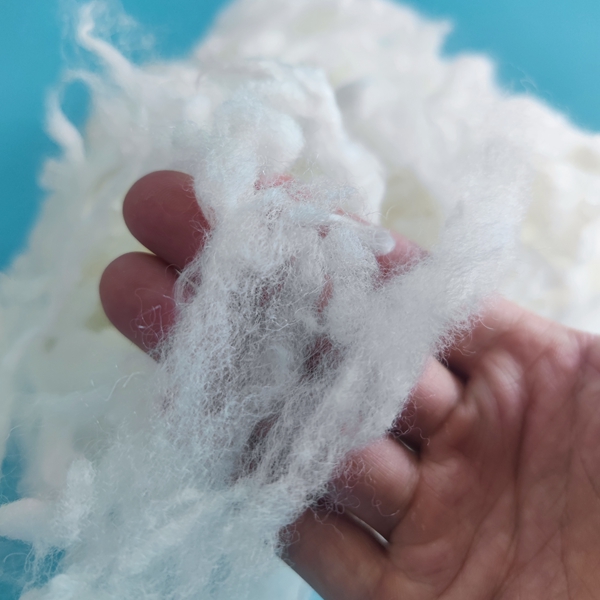
Australia is renowned for its Merino wool, which is highly prized for its fineness and softness. The Merino sheep are bred in various strains to adapt to different climates and produce different types of wool. Here are some key characteristics of Australian wool:
Fiber Fineness: Australian Merino wool is available in a range of fineness, from ultrafine (12.5-17.5 microns) to strong wool (22.6 microns and above). The ultrafine wool is ideal for blending with other luxury fibers like silk and cashmere.
Staple Length: The staple length of Australian wool varies depending on the strain. For example, fine wool types have a staple length of 85 to 110 mm, while strong wool types have a staple length of around 100 mm.
Crimp Frequency: Australian wool generally has a high crimp frequency, which contributes to its elasticity and resilience.
Grease Content: The natural grease content in Australian wool can be relatively high, especially in the Peppin Merino strain, which helps protect the wool from environmental damage.
New Zealand Wool
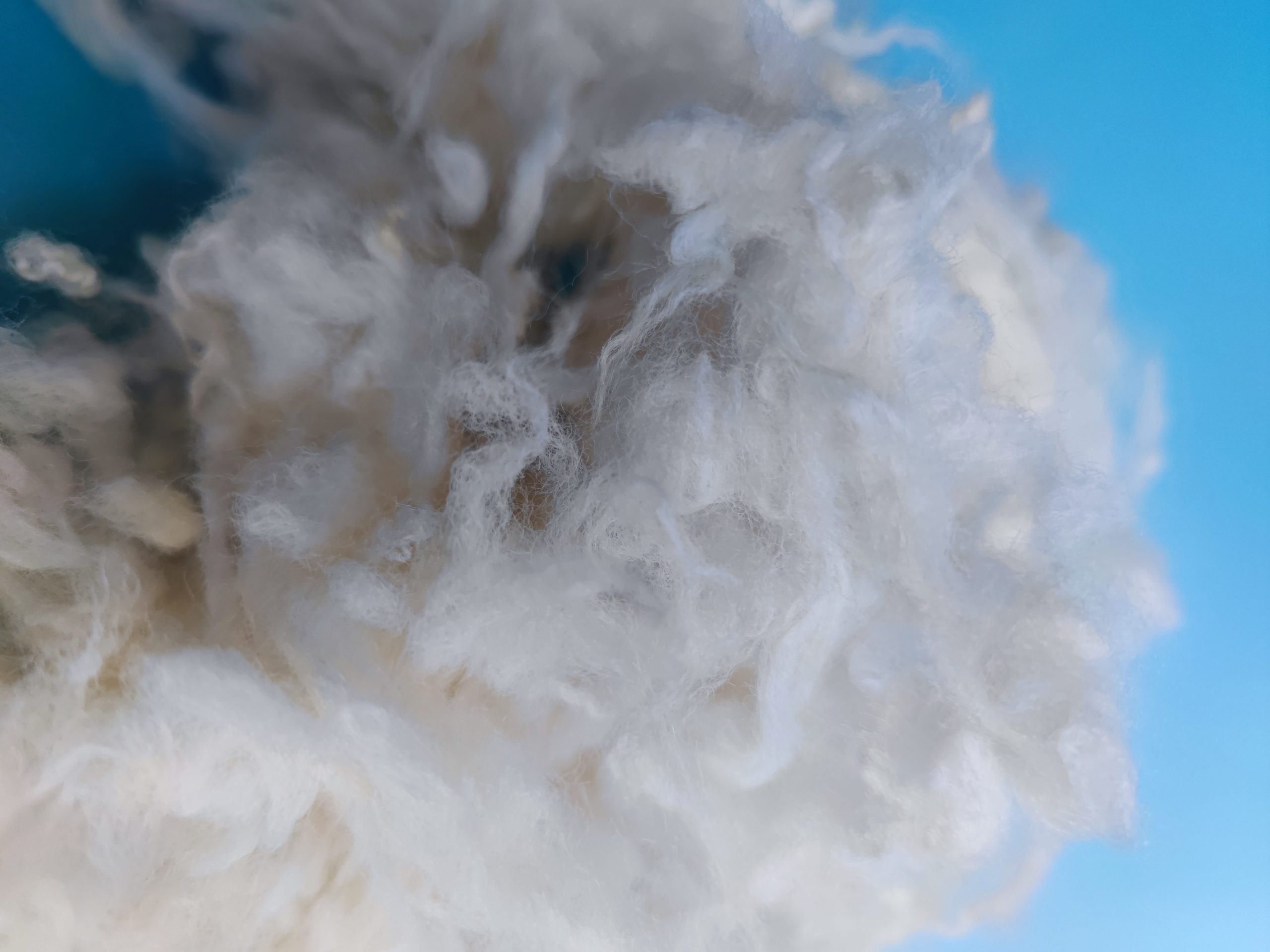
New Zealand wool is known for its durability, resilience, and natural crimp, which gives it excellent bounce-back properties. Here are some key characteristics of New Zealand wool:
Durability and Resilience: New Zealand wool is highly durable and resilient, making it suitable for a wide range of applications, including carpets and upholstery.
Natural Crimp: The natural crimp in New Zealand wool provides excellent bounce-back properties, allowing textiles to maintain their shape over time.
Stain Resistance: New Zealand wool has built-in stain protection, which helps keep textiles looking better for longer.
Environmental Adaptability: New Zealand’s diverse climate and terrain have led to the development of wool types that are well-suited to different environments, resulting in wool with varying characteristics.
Chinese Wool
China has a long history of wool production, with different regions producing wool with distinct characteristics. Here are some key characteristics of Chinese wool:
Fiber Fineness: Chinese wool can vary widely in fineness, with some breeds producing wool that is comparable in quality to Australian Merino wool. For example, the Xinjiang Fine Wool sheep produce wool with a fiber diameter that can be as fine as 17.5 microns.
Staple Length: The staple length of Chinese wool also varies depending on the breed. In some studies, the staple length of Xinjiang Fine Wool sheep was found to be around 7 to 10 cm.
Crimp Frequency: Chinese wool generally has a moderate to high crimp frequency, which contributes to its elasticity and resilience.