What Is Hemp Fiber?
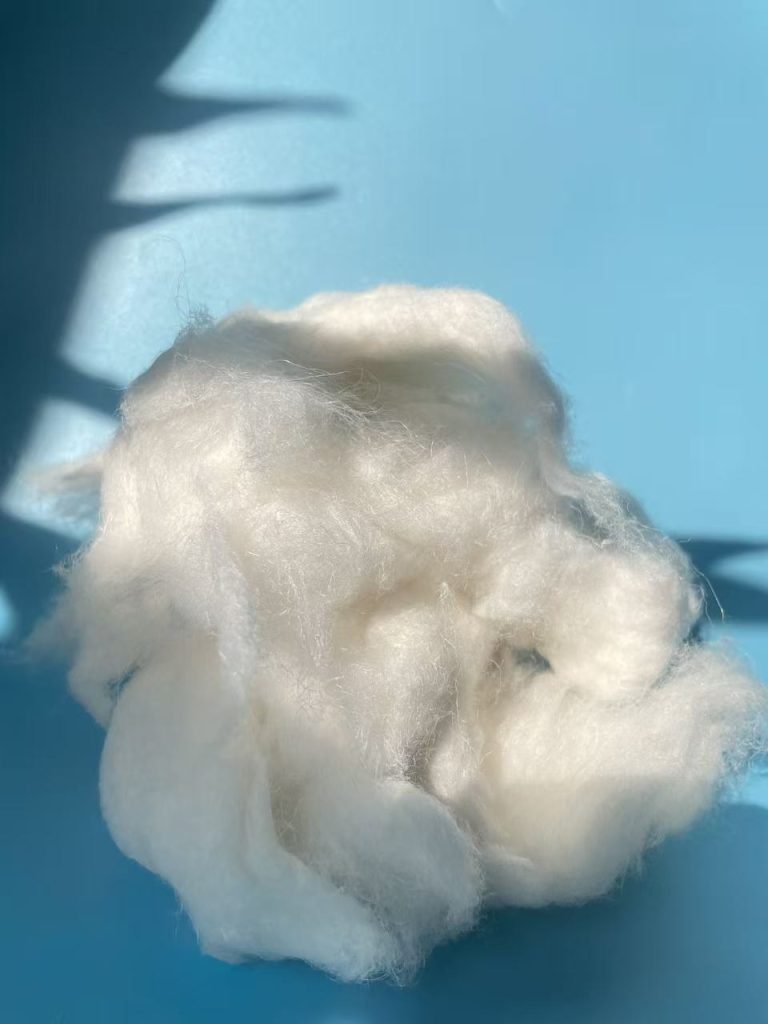
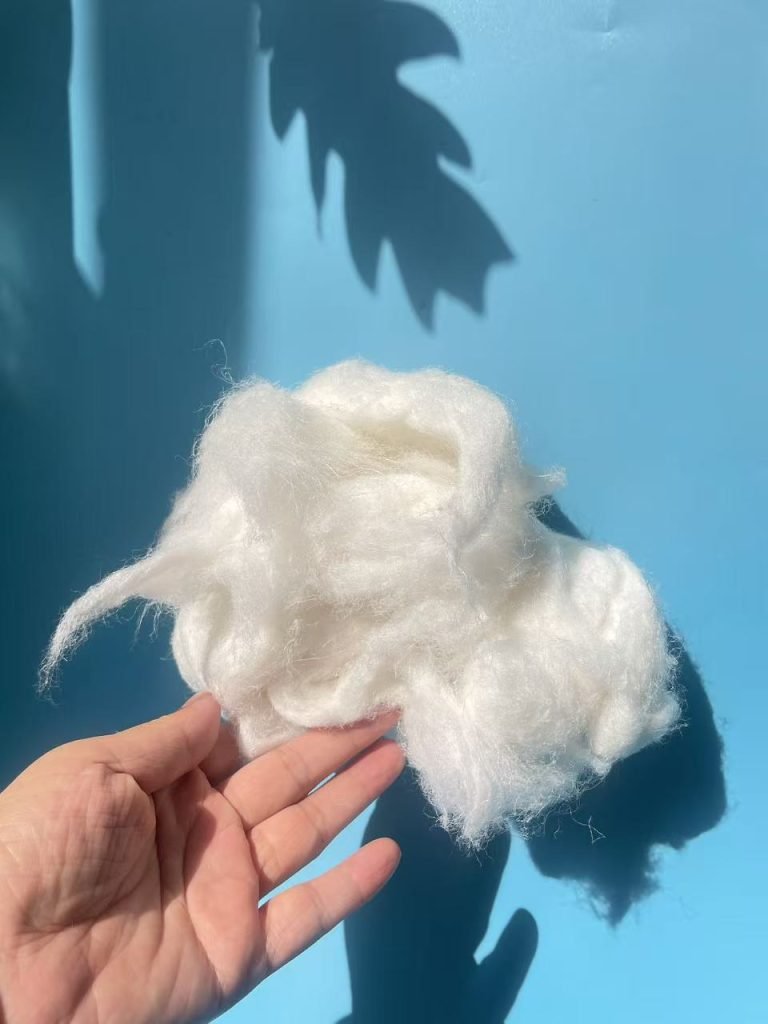
Hemp fiber is a natural plant fiber obtained from the stalk of the Cannabis sativa plant. Unlike its psychoactive relative, industrial hemp contains negligible THC and is cultivated mainly for its strong, sustainable fibers, seeds, and oil.
These fibers are among the oldest known to humankind and have been used for thousands of years in ropes, sails, textiles, and paper.
What Is Hemp Fiber Called?
Hemp fiber is often called bast fiber, referring to the fibers extracted from the plant’s outer stem. In the textile and material industry, it’s also known as industrial hemp, hemp textile fiber, or simply hemp.
Uses of Hemp Fiber
Hemp fiber is widely valued for its strength, durability, and eco-friendliness. Today, it’s used in:
Textiles: hemp clothing, T-shirts, denim, shoes, and upholstery fabrics
Industrial materials: ropes, canvas, sacks, sails, and geotextiles
Composite and bioplastics: automobile interiors, construction materials, and packaging
Home products: insulation, carpets, curtains, and bedding
Paper and specialty items: high-quality paper, filters, and hemp-filled cushions
What Is Hemp Filling?
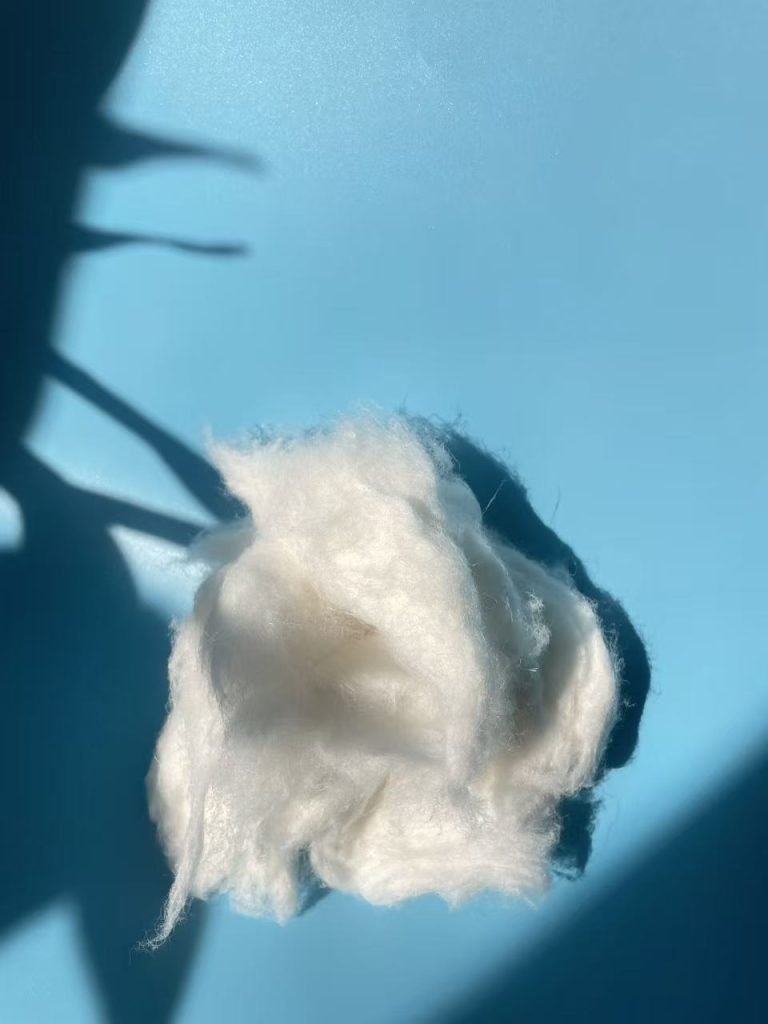
Hemp filling or hemp fiber filling refers to the use of hemp fibers as natural stuffing material in cushions, mattresses, and insulation. It’s breathable, moisture-regulating, and biodegradable.
What Is a Hemp T-Shirt?
A hemp T-shirt is made from fabric woven with hemp fibers, sometimes blended with organic cotton or bamboo for softness. These shirts are known for being stronger, more breathable, and longer-lasting than standard cotton tees.
Strength and Quality of Hemp Fiber
How Strong Is Hemp Fiber?
Hemp is one of the strongest natural plant fibers—up to three times stronger than cotton. It has excellent tensile strength, meaning it resists stretching and tearing while remaining lightweight and breathable.
Is Hemp Stronger Than Carbon Fiber?
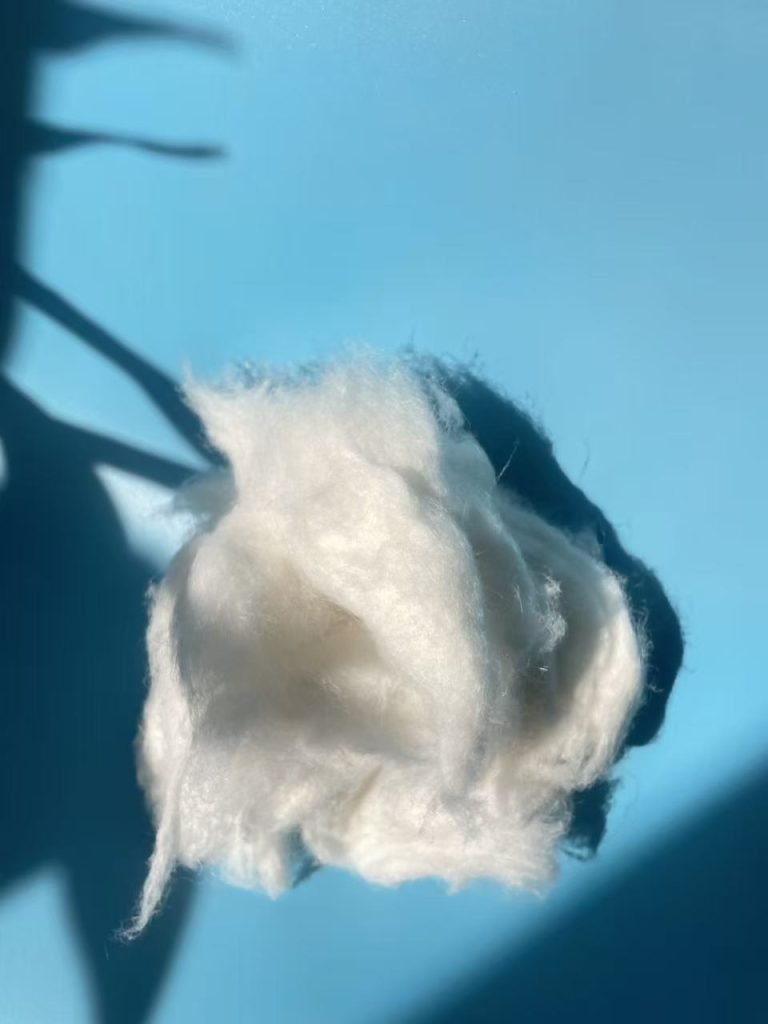
Although hemp is extremely strong for a natural material, carbon fiber is still stronger in terms of tensile strength and rigidity. However, hemp offers better sustainability, lower cost, and biodegradability, making it an attractive alternative for eco-friendly composites.
Is Hemp a Good Source of Fiber?
Yes, hemp is considered one of the best renewable fiber sources. It grows quickly, requires little water or pesticides, and enriches the soil. Its fibers are long, durable, and versatile—ideal for both industrial and textile use.
Advantages and Disadvantages of Hemp Fiber
Pros of Hemp Fiber
✅ Eco-friendly: 100% biodegradable and renewable
✅ Durable: stronger and longer-lasting than cotton
✅ Breathable and moisture-wicking: ideal for clothing and home textiles
✅ UV-resistant and antimicrobial: naturally resistant to mold and bacteria
✅ Low environmental impact: requires minimal chemicals or irrigation
Cons of Hemp Fiber
❌ Coarse texture: pure hemp fabric can feel rough compared to cotton
❌ Higher cost: due to limited large-scale processing facilities
❌ Wrinkling tendency: may crease more easily
Types and Classification of Hemp Fiber
Hemp fibers can be categorized based on their processing and application:
Bast fiber: long fibers from the outer stalk (used for textiles and ropes)
Hurd (woody core): shorter fibers used in paper, composites, and construction
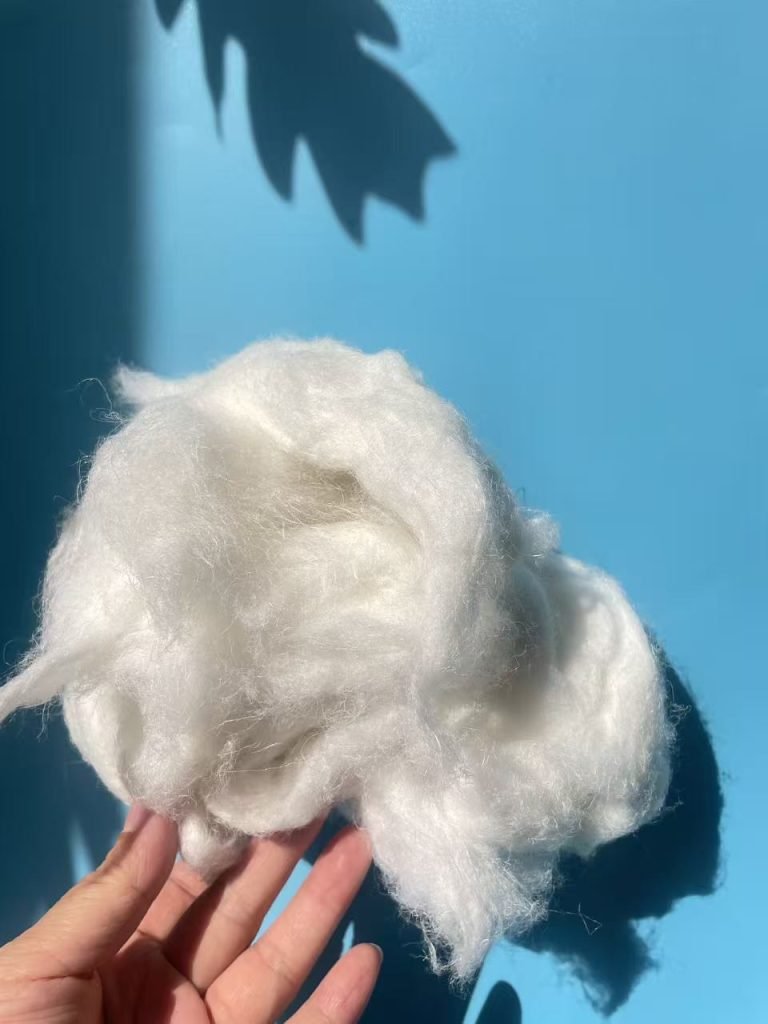
Refined or blended hemp: processed hemp mixed with cotton, silk, or polyester to improve softness and flexibility
The Three Common Types of Hemp
Industrial hemp: grown for fiber and seed production
Hemp hurd or shiv: inner woody core, used in hempcrete and composites
Hemp tow: shorter fibers and leftovers from processing, used in insulation or padding
Conclusion
Hemp fiber stands out as one of the most sustainable and durable natural fibers on earth. It combines environmental responsibility with exceptional strength, versatility, and longevity. Whether used in eco-friendly T-shirts, industrial composites, or biodegradable packaging, hemp is redefining the future of green materials.