Wool has two common problems. First, raw wool often contains vegetable matter such as seeds and twigs. Second, it tends to shrink and felt after washing. Shrink-resistant carbonized wool is a raw material treated to address both issues, and its uses follow from that.
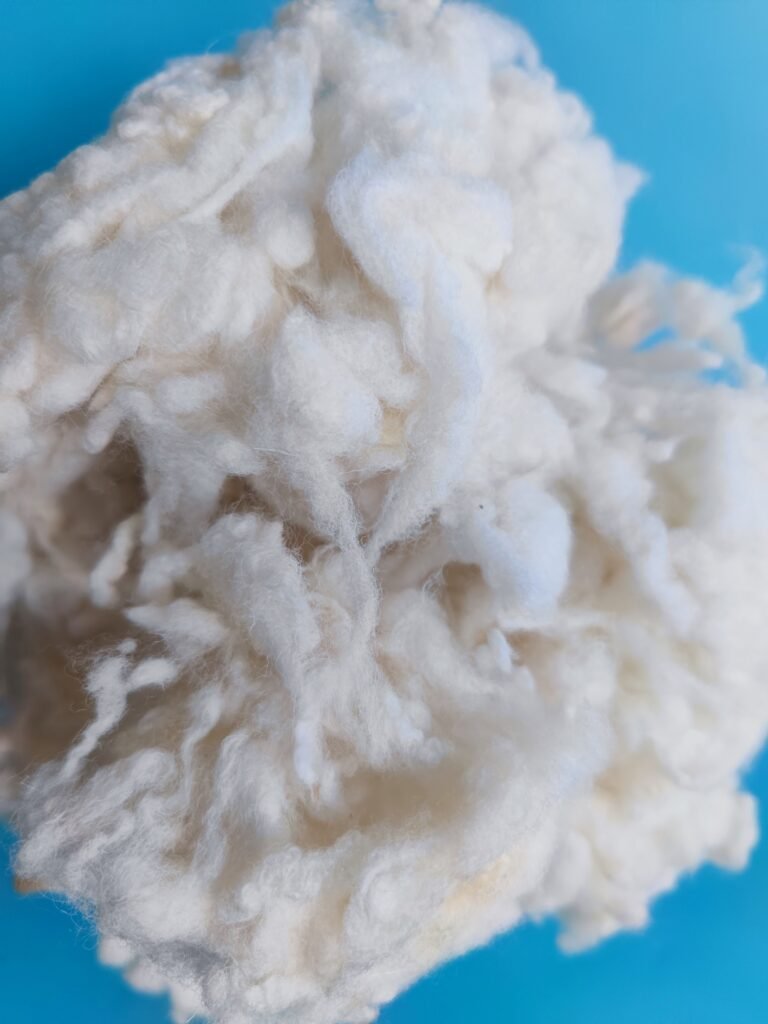
1. Worsted and Woolen Yarns, and Blended Fibers
This is the primary use. After carbonizing removes vegetable impurities, the wool is cleaner, and there tend to be fewer breaks and defects during spinning. After the shrink-resistant treatment, fabrics made from the yarn keep their dimensions better after washing. The wool can be spun on its own or blended with acrylic, polyester, nylon and other fibers to adjust cost, hand feel, and durability.
2. Garments That Need Frequent Washing
- Knitwear and knitting yarn: Reduces distortion and shrinkage after washing, making everyday care easier
- Socks, gloves and hats: These are worn often and washed often, so dimensional stability matters more
- Infant and next-to-skin products: These need frequent cleaning, but because they touch the skin, hand feel and chemical residue indicators also deserve extra attention
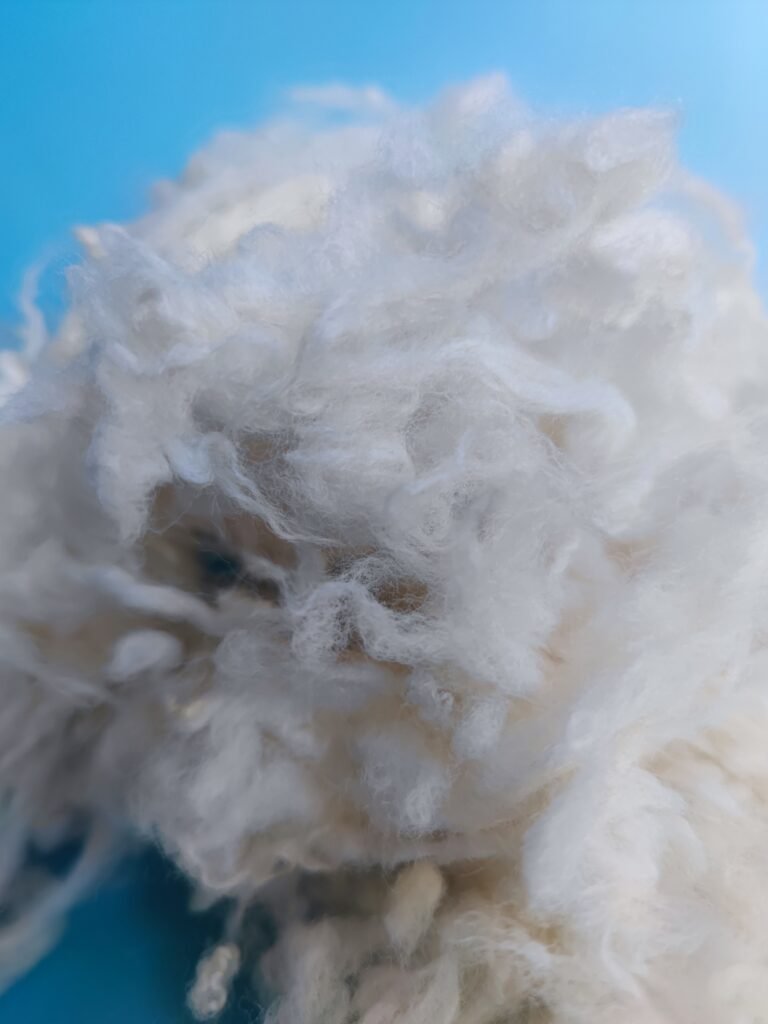
3. Home Textiles and Decorative Items
Blankets, throws, cushions and rugs can take advantage of wool’s warmth and resilience, while the shrink-resistant treatment lowers the risk of shrinking when cleaned. Whether a finished product can be machine-washed should still be confirmed by washing tests on that product.
4. Felt and Nonwoven Materials
Carbonized wool can also be used to make felt sheets, filling materials, and sound-insulating or thermal-insulating materials. Note that for some of these uses, felting is actually desirable, so whether to apply a shrink-resistant treatment depends on the product’s goal and should not be assumed.
5. Industrial and Other Uses
Some industrial felts, pads and absorbent materials also use carbonized wool, mainly for its purity and fiber characteristics.
Points to Note When Selecting
Both carbonizing and shrink-resistant treatments can affect fiber strength and hand feel to some degree, and processes vary widely. Different uses therefore call for different fineness, length, and degrees of treatment. We recommend testing samples before ordering and requesting test data such as shrinkage rate, vegetable matter content and pH value. For export or brand orders, also confirm any environmental certification requirements.
Conclusion
The value of shrink-resistant carbonized wool lies in being “cleaner and more wash-durable.” It suits garments and home textiles that need stable performance through washing. When choosing, actual test results are a more reliable guide than marketing claims.