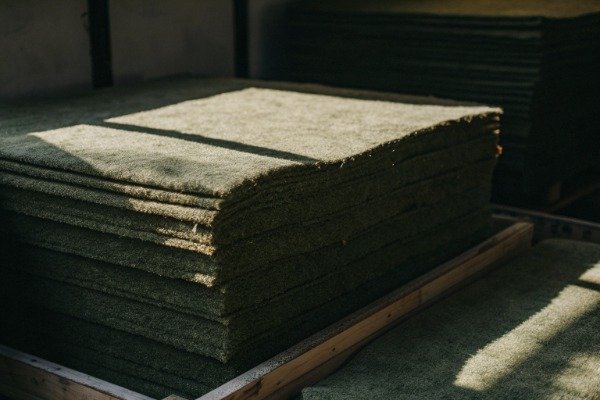
At our factory, we see clients struggle with balancing protection and shipping costs daily. Choosing the wrong liner thickness risks spoilage, while over-packing kills your margins. We help you find the precise balance to ensure your goods arrive fresh without wasting budget on unnecessary bulk.
risks spoilage 1
For most cold chain applications, a wool felt thickness between 5mm and 10mm (approximately 650gsm) offers the optimal balance. This range typically maintains temperatures for 24 to 48 hours. However, shipments exceeding 72 hours or requiring strict pharmaceutical compliance often demand a minimum thickness of 10mm to ensure thermal stability.
Let's break down exactly how to match thickness to your specific shipping profiles to optimize your logistics.
How does wool felt thickness impact thermal insulation performance for my shipments?
We test various densities in our lab to ensure your goods survive the "last mile." Temperature spikes during transit are the enemy of every logistics manager, and we know that consistent thermal performance is non-negotiable.
Temperature spikes during transit 2
Thickness directly correlates with thermal resistance (R-value). Generally, doubling the thickness from 5mm to 10mm significantly extends the duration your package stays within the 2-8°C range. Thicker felt traps more air and manages moisture better, which is critical for transit times exceeding 48 hours.
Understanding the Mechanism of Wool Insulation
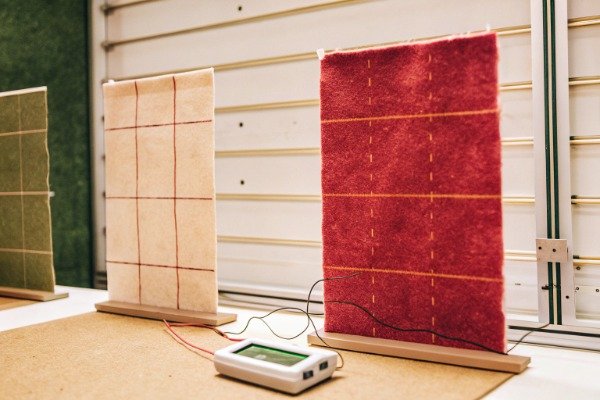
To understand why thickness matters, you must understand how wool works. Unlike polystyrene (EPS), which acts as a passive barrier, wool fibers are active. In our testing, we observe that wool fibers "breathe." They absorb moisture from the air inside the package. This process, known as being hygroscopic, actually releases a small amount of heat. This helps prevent products from freezing in sub-zero external conditions while maintaining cool temperatures in heat.
absorb moisture from the air 3
However, this natural regulation has limits. The volume of the felt determines how much air and moisture it can manage. A 3mm sheet simply lacks the physical capacity to buffer temperature changes for long periods.
The Correlation Between Thickness and Duration
When we design inserts for clients, we map thickness directly to transit time. A thinner liner is often sufficient for "last mile" delivery, but cross-country shipments require more loft.
The following table outlines the general performance expectations we see in standard testing conditions:
Table 1: Estimated Thermal Duration by Thickness
| Felt Thickness | Typical Density (GSM) | Estimated Thermal Duration (2-8°C) | Best Use Case |
|---|---|---|---|
| 3mm – 5mm | 400 – 600 GSM | 12 – 24 Hours | Local delivery, meal kits, "Last Mile" logistics. |
| 5mm – 7mm | 600 – 800 GSM | 24 – 48 Hours | Overnight shipping, standard fresh food delivery. |
| 10mm+ | 800+ GSM | 48 – 72+ Hours | International shipping, pharmaceuticals, frozen goods. |
Critical Thinking: Is Thicker Always Better?
You might assume that 12mm is automatically better than 6mm. While thermally true, it is not always practically true. We have found that for shipments under 24 hours, the difference in temperature stability between a 5mm liner and a 10mm liner is negligible. In these short durations, the extra thickness does not provide a return on investment. It only adds cost and reduces the available space inside your box.
Furthermore, we must consider the comparison to alternatives like PaperShield. While paper-based options are popular for marketing, they often fail strict pharmaceutical specifications. Wool, even at moderate thicknesses like 7mm, consistently outperforms paper in maintaining the critical 2-8°C range. This makes wool the superior choice for high-value items, even if you do not choose the maximum thickness available.
Can I customize wool felt density to match specific cold chain temperature requirements?
When we calibrate our production lines, we adjust density to meet precise client specs. One size rarely fits all when shipping sensitive pharmaceuticals or heavy produce, and we believe customization is key to performance.
Yes, customizing density is often more effective than just increasing thickness. High-density felt (500-800 GSM) resists compression under heavy loads, maintaining the necessary air gaps for insulation. For heavy payloads, a thinner (3-5mm) but denser felt often outperforms a thicker, loftier alternative that collapses.
The Hidden Factor: Compression Resistance
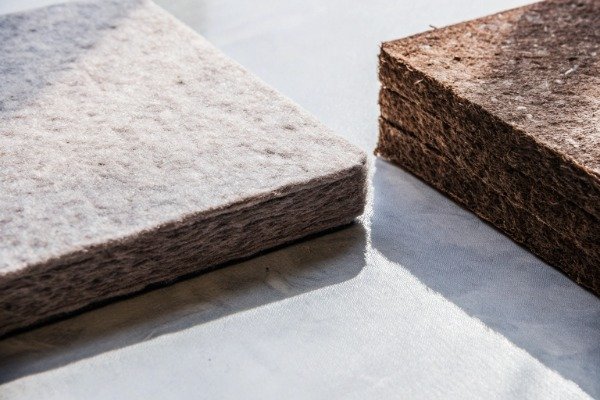
Many importers focus solely on thickness (mm) and ignore density (GSM – grams per square meter). This is a mistake. In our experience, the biggest failure point in cold chain packaging is not the initial thickness, but the compressed thickness.
Imagine you are shipping heavy glass bottles of juice. You might buy a 10mm "fluffy" wool liner. However, once the heavy bottles are packed, the bottom liner is crushed down to 2mm. When wool is crushed, it loses the air pockets that provide insulation. The R-value drops significantly.
In this scenario, a high-density 5mm felt is superior. It is stiffer and harder. It might only compress to 4mm under the same weight. Therefore, the effective insulation during transit is actually higher with the thinner, denser product.
Customizing for Payload Type
We categorize customization requests into two main groups: Light Payloads and Heavy Payloads.
- Light Payloads (Leafy greens, small vials): You can use lower density, loftier felt. It is cheaper and fills the void space well.
- Heavy Payloads (Beverages, bulk meat, liquids): You must use high-density felt. It acts as a structural component as well as an insulator.
Table 2: Recommended Density Customizations
| Payload Type | Weight Profile | Recommended Strategy | Why? |
|---|---|---|---|
| Pharmaceuticals | Light to Medium | High Density / Medium Thickness | Requires strict temperature control; cannot risk compression gaps. |
| Meal Kits | Medium | Standard Density / Standard Thickness | Balances cost and protection; flexibility is needed for packing. |
| Bulk Liquids | Heavy | High Density / Thin Profile | Resists crushing weight; maintains structural air gaps. |
| Frozen Meat | Heavy | High Density / Thick Profile | Needs maximum insulation and maximum compression resistance. |
The Layering Technique
Another customization technique we use involves layering. Instead of using one single 10mm sheet, we sometimes recommend two layers of 3mm felt. Why? Because the interface between the two layers creates an additional boundary layer of air.
This is similar to wearing two thin sweaters instead of one thick coat. It traps heat more effectively. Additionally, thinner layers are more flexible. They conform tightly to the product. This reduces internal air pockets where convection currents can form. Convection moves warm air around inside the box, which speeds up melting. By using flexible, dense layers, you eliminate these air pockets and keep the cold energy focused on the product.
Is thicker wool felt always the most cost-effective solution for my logistics needs?
Our export team frequently calculates volume weight for clients shipping to Australia. Paying to ship "air" inside a bulky package hurts your bottom line, and we strive to minimize your total landed cost.
Thicker is not always better for your budget. While 10mm felt offers superior protection, it increases shipping volume and material costs. For 24-hour delivery cycles, 5mm felt is often sufficient and more cost-effective. Optimizing seam overlaps prevents "cold bridges," offering better ROI than simply increasing wall thickness.
The Economics of Volume Weight
Logistics costs are calculated based on either actual weight or volumetric weight. Wool felt is light, but it takes up space. If you increase your liner thickness from 5mm to 10mm, you reduce the internal volume of your box.
This forces you to make a choice:
- Ship less product per box.
- Buy a bigger box.
Both options increase your shipping cost per unit. If your transit time is short (under 24 hours), the 10mm felt is "over-engineering." You are paying for protection you do not need, and you are paying extra freight to ship the packaging material itself.
The "Cold Bridge" Effect
We often see clients asking for thicker walls when the real problem is the corners. Heat does not usually penetrate through the center of a wool pad; it enters through the gaps where the pads meet. We call these "cold bridges."
Investing in a design with a large overlap at the seams is far more cost-effective than buying thicker felt. A 5mm liner with a 50mm overlap often performs better than a 10mm liner with a butt-joint (no overlap). The overlap seals the box. It prevents warm air from entering. This design change costs almost nothing but significantly boosts performance.
Sustainability and Reusability
We must also look at the environmental cost. Plastic packaging pollution is severe. Wool felt offers a solution because it is biodegradable and breathable. However, sustainability also links to reusability.
Plastic packaging pollution 4
Thicker, denser wool felt is more durable. It can be reused 5 to 10 times if handled correctly. A thin, low-density liner might tear after one use. If your business model involves a return loop (where customers send packaging back), investing in thicker, high-quality felt is actually cheaper in the long run. You lower your "cost per use" significantly.
Table 3: Total Cost of Ownership Analysis
| Feature | Thin Felt (3-5mm) | Thick Felt (10mm+) |
|---|---|---|
| Material Cost | Low | High |
| Shipping Volume | Low Impact | High Impact (Reduces payload space) |
| Durability | Low (Single Use) | High (Reusable) |
| Thermal Risk | Moderate (Good for short trips) | Low (Good for long trips) |
| Best ROI Model | B2C One-way Delivery | B2B Closed Loop / High Value Goods |
By analyzing these factors, we help you avoid the trap of thinking "more is better." "Sufficient is best." We aim to provide a solution that protects the planet and your profit margin simultaneously.
What are the standard thickness recommendations for perishable food packaging inserts?
We often guide packaging manufacturers away from industrial specs toward food-safe standards. Ensuring freshness without over-engineering the packaging is a delicate balance we help you strike every day.
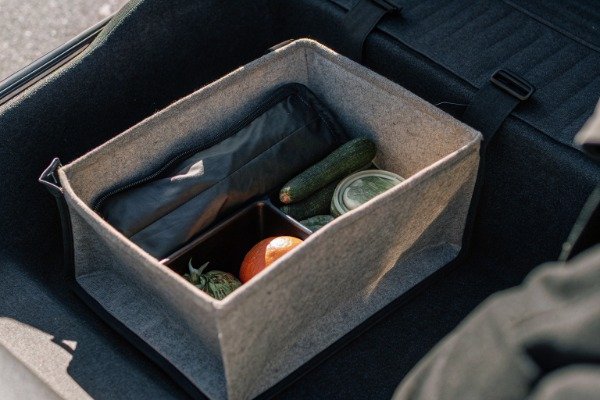
The industry standard for perishable food liners is typically 650gsm, which translates to roughly 5mm to 7mm depending on the loft. This specification provides reliable thermal protection for meal kits and fresh produce during standard overnight or two-day delivery windows while remaining flexible enough to wrap tightly around products.
The 650gsm Standard
In the food sector, 650gsm is the "gold standard." Why this specific number? Through years of industry application, we have found it hits the sweet spot.
- Thermal Mass: It has enough density to hold temperature for 48 hours with adequate gel packs.
- Flexibility: It is not too stiff. Packers on an assembly line can fold it quickly around a box of vegetables or meat.
- Cost: It is competitively priced compared to polystyrene boxes.
If you go lower (e.g., 400gsm), you risk the food spoiling if the delivery truck is delayed. If you go higher (e.g., 900gsm), the liner becomes stiff and difficult to fold into corners, slowing down your packing line.
Hygiene and Encapsulation
When we manufacture wool for food, we do not just ship raw wool. The felt is encapsulated. We wrap the wool core in a film—often a compostable or recyclable polyethylene film.
This film serves two purposes:
- Hygiene: It prevents loose wool fibers from getting into the food.
- Moisture Barrier: It prevents the wool from absorbing condensation too quickly. While we want wool to manage moisture, we do not want it to get soggy immediately.
The thickness of the film adds very little to the overall dimension, but it is crucial for food safety compliance.
Environmental Responsibility
As a manufacturer, we feel a strong responsibility toward the environment. The widespread use of plastic packaging has caused severe pollution. Wool felt is our answer to this crisis.
strict “Cold Chain” laws 5
Wool is a natural, renewable resource. It is biodegradable. Even the manufacturing process is cleaner than producing expanded polystyrene (EPS). When you choose a 650gsm wool liner, you are not just choosing a thickness; you are choosing a philosophy. You are telling your customers that you care about the planet.
biodegradable and breathable 6
For food brands, this is a powerful marketing tool. Customers feel better about receiving a box lined with natural wool than a box filled with white styrofoam chunks. The standard 650gsm thickness allows you to print "Compostable" or "Sustainable" on your packaging, which adds value beyond just thermal protection.
known as being hygroscopic 7
Addressing Regulatory Gaps
Currently, there are no strict government regulations dictating the exact thickness of wool for food. Unlike pharmaceuticals, which have strict "Cold Chain" laws, food is more flexible. This puts the responsibility on us, the manufacturer, and you, the buyer, to test thoroughly.
2-8°C range 8
We recommend starting with the 650gsm standard. Run a test shipment. Place a data logger inside. If the temperature holds, you are set. If it spikes, we can upgrade you to a higher density. But for 90% of fresh food applications, the standard 5-7mm range is perfectly adequate.
thermal resistance (R-value) 9
Conclusion
Selecting the right wool felt thickness is a strategic balance between duration, density, and cost. Whether you need the standard 650gsm for food or a high-density 10mm solution for pharma, we help you optimize for safety and sustainability.
strict pharmaceutical compliance 10
Footnotes
1. Leading academic research on postharvest technology and preventing produce spoilage. ↩︎
2. Major logistics carrier guidelines on managing temperature variations for perishable shipments. ↩︎
3. Technical documentation from the global authority on wool regarding fiber moisture management. ↩︎
4. Official EPA statistics regarding containers, packaging waste, and plastic pollution data. ↩︎
5. Overview of the cold chain logistics concept and general terminology. ↩︎
6. International Wool Textile Organisation explains the scientific basis of wool’s biodegradability. ↩︎
7. General background definition of the physical property of hygroscopy. ↩︎
8. Authoritative WHO technical report defining standards for temperature-sensitive pharmaceutical transport. ↩︎
9. Educational resource from Michigan State University explaining the scientific concept of R-value. ↩︎
10. Official FDA guidance document outlining quality systems and compliance for pharmaceutical manufacturing. ↩︎