
Car interiors play a crucial role in providing comfort, aesthetics, and functionality. Among the various materials used, wool felt and synthetic felt are popular choices due to their versatility and durability. This article explores the differences between wool and synthetic felt, their applications in car interiors, and their benefits.
What is Felt?
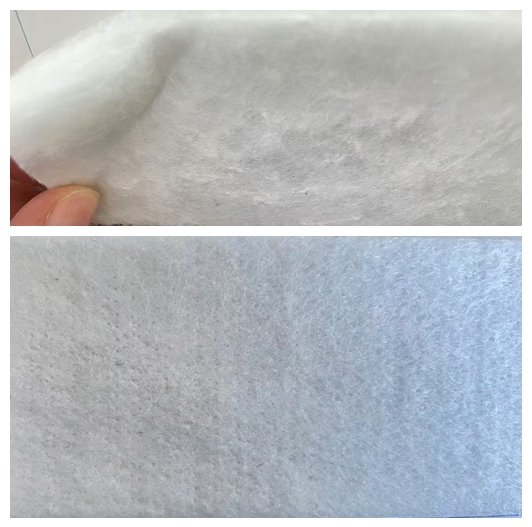
Felt is a non-woven fabric made by compressing fibers together to form a dense, durable material. It is widely used in automotive applications due to its excellent sound absorption, insulation, and cushioning properties.
Wool Felt vs. Synthetic Felt: Key Differences
1. Composition
Wool Felt: Made from natural wool fibers, often blended with other natural fibers for enhanced durability.
Synthetic Felt: Manufactured using synthetic fibers like polyester, acrylic, or polypropylene.
2. Durability
Wool Felt: Highly durable, naturally resilient, and can withstand high temperatures.
Synthetic Felt: Resistant to moisture, chemicals, and wear, making it ideal for long-term automotive use.
3. Environmental Impact
Wool Felt: Biodegradable and eco-friendly, but may require more maintenance.
Synthetic Felt: Non-biodegradable but often more cost-effective and easier to produce.
Applications of Felt in Car Interiors
1. Soundproofing and Noise Reduction
Felt is used as an insulating layer to reduce engine noise, road vibrations, and interior echoes.
Commonly applied in door panels, under the dashboard, and around the engine compartment.
2. Upholstery and Padding
Provides a soft, durable backing for seats, armrests, and headliners.
Enhances comfort and aesthetics while protecting the underlying structure.
3. Thermal Insulation
Felt acts as an insulator to regulate cabin temperature, preventing excessive heat or cold penetration.
Often found in roof linings and undercarpet layers.
4. Filtration and Ventilation Components
Used in air filtration systems to trap dust, pollutants, and debris.
Helps improve air quality inside the vehicle.
5. Decorative and Functional Trims
Felt is used for aesthetic trims, dashboard linings, and other interior accents.
Available in various colors and textures to match vehicle interiors.
Advantages of Using Wool and Synthetic Felt in Automobiles
Wool Felt
Natural and sustainable
Superior sound absorption
High-temperature resistance
Synthetic Felt
More affordable than wool felt
Moisture and chemical resistant
Longer lifespan with minimal maintenance
Both wool felt and synthetic felt are widely used in car interiors for their excellent insulation, soundproofing, and durability. While wool felt offers a natural and eco-friendly option, synthetic felt provides affordability and resilience. Choosing the right type of felt depends on the specific needs of the vehicle’s interior design and functionality.