When it comes to felt materials, not all felts are created equal. Many people wonder what distinguishes wool felt from synthetic felt, or how to identify real wool felt from imitation products. In this article, we’ll explore the main differences, helping you choose the right type of felt for your projects or products.
As a leading wool felt manufacturer in China, we specialize in producing custom wool felt and synthetic felt for both industrial and craft uses, supporting OEM, ODM, and wholesale services.
1. What Is the Difference Between Felt and Wool Felt?
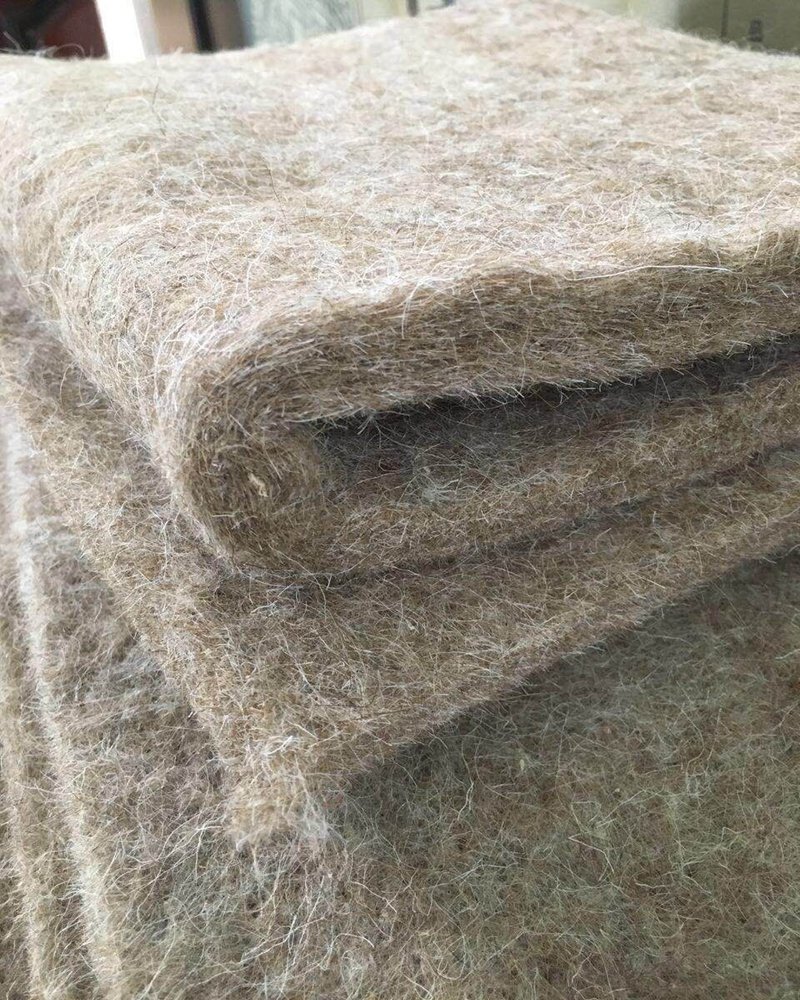
Felt is a non-woven fabric made by compressing and matting fibers together using heat, moisture, and pressure.
Wool felt, however, is specifically made from natural sheep’s wool fibers. Wool contains microscopic scales that naturally interlock when exposed to moisture and agitation, forming a dense, durable textile.
In contrast, general felt may be made from synthetic fibers such as polyester, acrylic, or rayon — these require chemical bonding or needle punching instead of natural felting.
In short:
Wool felt = made from natural wool, soft, resilient, biodegradable.
Synthetic felt = made from man-made fibers, cheaper, less elastic, not biodegradable.
2. What Is the Difference Between Real Wool Felt and Fake Wool Felt?
Real wool felt is made with 100% wool or a high percentage of wool mixed with minimal synthetic fibers for stability. It feels soft, warm, and slightly springy to the touch. When burned, real wool smells like burnt hair and turns to ash.
Fake wool felt, on the other hand, is usually polyester felt dyed to imitate wool. It’s smoother, often too uniform in texture, and will melt when exposed to flame instead of turning to ash.
Quick test:
✔️ Burn a small edge — wool turns to ash; polyester melts.
✔️ Touch — wool is naturally textured; synthetic feels slippery or plastic-like.
3. What Is the Difference Between Wool and Felt?
Wool refers to the raw fiber shorn from sheep.
Felt is the finished product made from those fibers through a process of matting and compression.
Think of it this way: wool is the ingredient, felt is the final product.
4. Wool vs Wool Felt – Which Is Better?
That depends on your use.
Wool fibers are ideal for spinning into yarn or weaving fabrics — great for clothing, blankets, and knitting.
Wool felt is perfect for crafts, decorations, padding, gaskets, footwear, and industrial uses due to its stability and structure.
If you need softness and flexibility, go for wool yarn or fabric.
If you need density and shape retention, choose wool felt.
5. Wool Felt vs Ordinary Felt
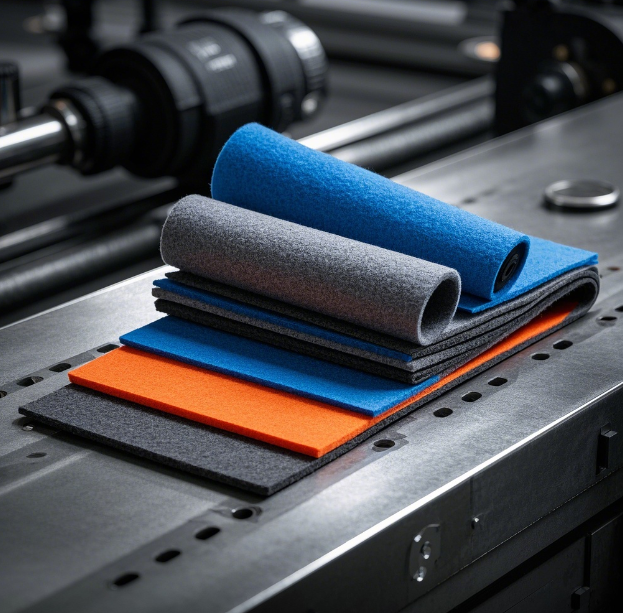
Ordinary felt (synthetic) is inexpensive and available in bright colors, making it common in DIY and school crafts.
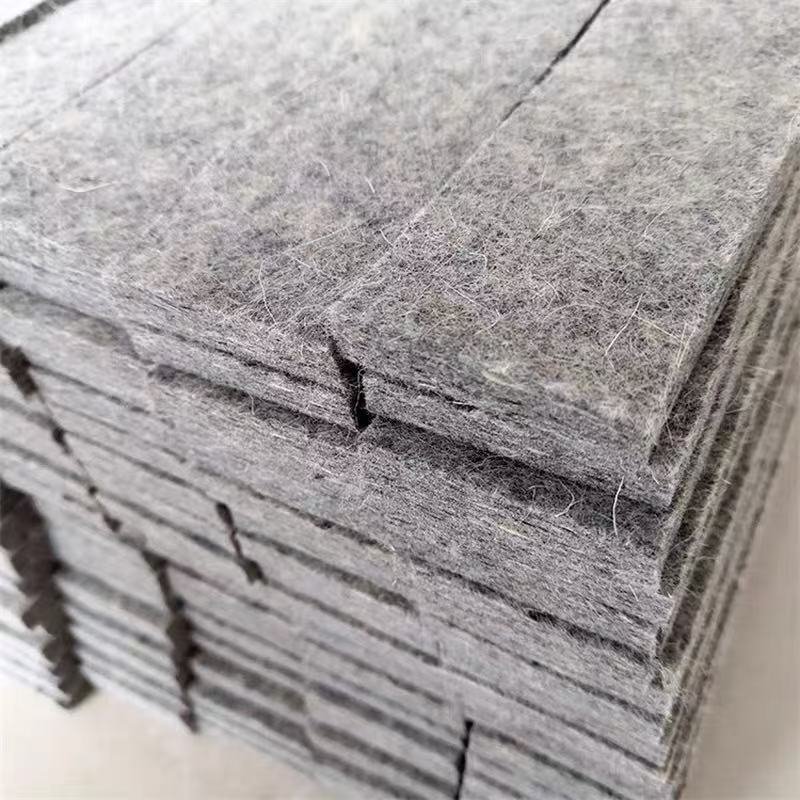
Wool felt, however, offers superior performance — it is naturally flame-resistant, sound-absorbing, breathable, and eco-friendly.
In industries like automotive, filtration, and footwear, wool felt is preferred for its resilience, compressive strength, and longevity.
6. What Materials Are Closest to Felt?
Materials similar to felt include nonwoven fabrics, needle-punched fabrics, and compressed fiber mats. However, none of these fully replicate the natural texture and elasticity of wool felt. Synthetic alternatives may look similar but lack the same softness, insulation, and moisture absorption.
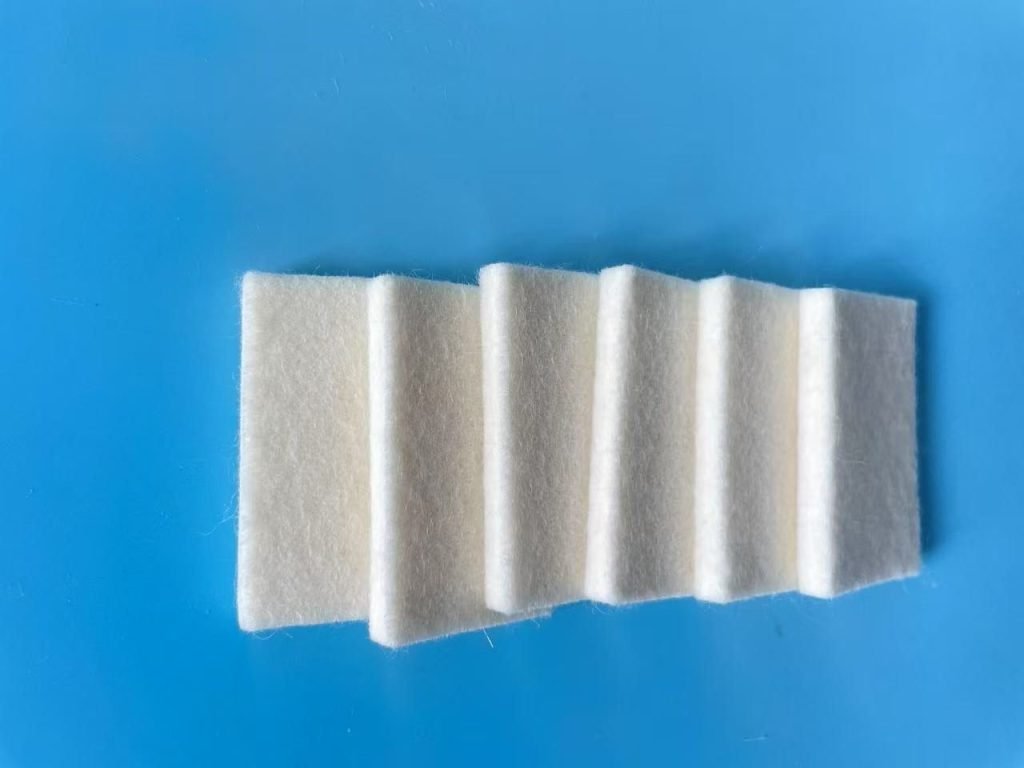
7. What Is Industrial Felt?
Industrial felt refers to dense, high-grade felt used in machinery, polishing, sealing, and insulation. It is typically made from compressed wool or synthetic fibers under high pressure.
Industrial wool felt offers:
Excellent oil and shock absorption
Heat and sound insulation
Long-lasting mechanical durability
8. What Is the Difference Between F1 and F3 Felt?
These are industrial felt grades defined by density and hardness.
F1 felt is the hardest and densest, used for polishing, lubrication wicks, and mechanical cushioning.
F3 felt is softer, suitable for cushioning, sound insulation, or gaskets.
In general, the lower the number, the denser and harder the felt.
Conclusion
Choosing between wool felt and synthetic felt depends on your product needs and performance standards.
If you’re seeking premium quality, eco-friendly materials, wool felt is the best choice.
For cost-effective or disposable uses, synthetic felt may be more suitable.
As a China wool felt manufacturer and OEM felt supplier, we provide:
100% wool felt and wool-blend felt
Industrial felt sheets and rolls
Custom OEM/ODM felt products
Bulk export and global wholesale service