Get Exclusive Purchase Tips

We will continue to update the product information so that customers understand our products.

If you want to get the latest product information, please leave your email, we will not send any other. Thank you.

Why Factory-Direct Carded Wool Batting is the Best Cost-to-Performance Secret for Premium Bedding Manufacturers

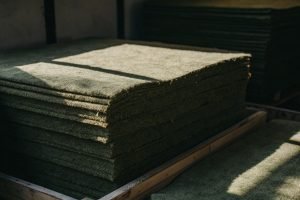
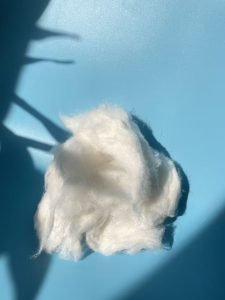
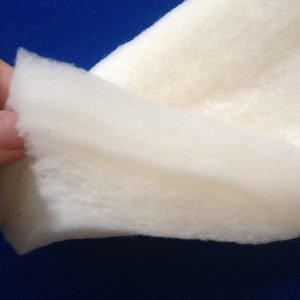
In the high-end mattress and luxury bedding market, sourcing managers are constantly caught in a balancing act: how do you deliver a premium, resilient, all-natural sleep experience to your customers without letting soaring material costs eat up your profit margins? Many luxury mattress brands and OEM mattress shops have come to realize that paying a premium for third-party certifications does not inherently change the physical quality of the fiber inside the quilt. What matters most is the raw physics of the material—how it reacts under body weight, how it regulates temperature, and how uniformly it is processed. If you are looking to elevate your bedding product line while maintaining a razor-sharp competitive edge, factory-direct, highly scoured carded wool batting offers the ultimate uncompromised cost-to-performance ratio. In this B2B technical guide, we share why our carded wool batting outperforms synthetic alternative fills, and how we deliver impeccable physical consistency directly from the processing line to your factory floor. 1. Micro-Climate Control: The Pure Physics of Temperature Regulation The main complaint about synthetic fills (such as polyester fiberfill or polyurethane foam) is that they trap body heat and moisture, leading to the “hot sleep” effect, regardless of certificates. Natural carded wool works on pure organic physics. Moisture Management: Wool fibers possess a naturally moisture-attracting (hydrophilic) core and a moisture-repelling (hydrophobic) outer sheath. Our carded wool batting can absorb up to 30% of its own weight in moisture vapor without feeling damp. It continuously pulls sweat away from the sleeper and evaporates it into the room. Three-Dimensional Crimp: Our industrial carding process meticulously combs and aligns the wool fibers into a consistent, multi-layered web while preserving the wool’s natural crimp. These microscopic air pockets trap warmth in the winter and allow excellent breathability during hot summer nights. B2B Advantage: By putting our natural carded wool into your
Continue Reading

As a craft supply wholesaler, what scale of wool top factory should I prioritize?

We know the frustration of holding dead stock while waiting for a massive factory to fit a small custom order into their rigid schedule. In our daily operations, we constantly balance the need for high-volume efficiency with the nuanced demands of craft wholesalers who require variety over sheer bulk. For craft wholesalers requiring diverse color palettes and rapid turnover, prioritize medium-scale factories with extensive ready-to-ship inventory over massive industrial mills. These suppliers offer the ideal balance of consistent quality, lower Minimum Order Quantities (MOQs), and the agility to restock fast-selling seasonal shades immediately. Let’s break down exactly why factory size dictates your inventory flow, profit margins, and ability to scale. Does a massive production scale guarantee the consistent quality I need for dyed wool? In our dyeing workshop, we have seen that huge capacity often leads to batch mixing issues rather than the perfection buyers expect. We frequently see samples from giant competitors where speed was prioritized over the meticulous care required for craft-grade fibers. Massive scale does not inherently guarantee superior consistency for dyed wool, as high-volume vats can struggle with precise color matching across smaller lots. Medium-scale facilities often maintain tighter quality control on specific dye recipes, ensuring that your “Forest Green” remains consistent from one shipment to the next. Many wholesalers operate under the assumption that the largest factories have the most advanced machinery and, therefore, the best quality. While it is true that industrial-scale mills possess high-tech gilling and combing machines, their processes are designed for commodity output—think carpet wool or standard apparel blends—rather than the high-specification requirements of needle felting or hand spinning. When we calibrate our machines, we focus on removing “neps” (small tangles of fiber) and vegetable matter (VM) vegetable matter 1. vegetable matter 2 In a massive factory producing 50 tons a

Continue Reading

Which thickness is most suitable for wool felt used in cold chain packaging inserts?

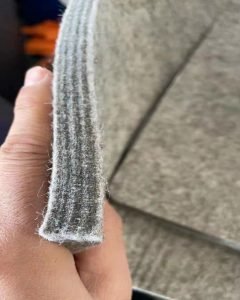
At our factory, we see clients struggle with balancing protection and shipping costs daily. Choosing the wrong liner thickness risks spoilage, while over-packing kills your margins. We help you find the precise balance to ensure your goods arrive fresh without wasting budget on unnecessary bulk.risks spoilage 1 For most cold chain applications, a wool felt thickness between 5mm and 10mm (approximately 650gsm) offers the optimal balance. This range typically maintains temperatures for 24 to 48 hours. However, shipments exceeding 72 hours or requiring strict pharmaceutical compliance often demand a minimum thickness of 10mm to ensure thermal stability. Let's break down exactly how to match thickness to your specific shipping profiles to optimize your logistics. How does wool felt thickness impact thermal insulation performance for my shipments? We test various densities in our lab to ensure your goods survive the "last mile." Temperature spikes during transit are the enemy of every logistics manager, and we know that consistent thermal performance is non-negotiable.Temperature spikes during transit 2 Thickness directly correlates with thermal resistance (R-value). Generally, doubling the thickness from 5mm to 10mm significantly extends the duration your package stays within the 2-8°C range. Thicker felt traps more air and manages moisture better, which is critical for transit times exceeding 48 hours. Understanding the Mechanism of Wool Insulation To understand why thickness matters, you must understand how wool works. Unlike polystyrene (EPS), which acts as a passive barrier, wool fibers are active. In our testing, we observe that wool fibers "breathe." They absorb moisture from the air inside the package. This process, known as being hygroscopic, actually releases a small amount of heat. This helps prevent products from freezing in sub-zero external conditions while maintaining cool temperatures in heat.absorb moisture from the air 3 However, this natural regulation has limits. The volume of

Continue Reading

How Do I Choose the Appropriate Wool Felt Thickness for Different Parts of the Shoe?

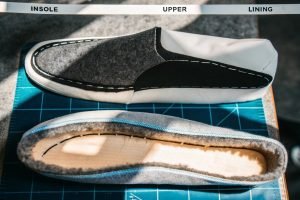
At our factory, we see clients struggle with floppy uppers or hard insoles daily. Choosing the wrong felt gauge ruins a great shoe design before production even starts. For optimal performance, specify 5mm to 8mm felt for insoles to ensure shock absorption. Use 3mm to 5mm for uppers to balance structure with flexibility, and select 1mm to 2mm for linings to maximize moisture-wicking without adding bulk. Let's break down the exact specifications you need for durable, comfortable footwear. What is the best wool felt thickness for manufacturing durable insoles? When we test prototypes, thin insoles compress too quickly, leading to customer complaints about foot fatigue. Durable support requires precise density calculations to handle long-term weight distribution. The best thickness for durable insoles is typically 5mm to 8mm. This range provides necessary thermal insulation and cushioning while accounting for the 15-20% compression set that occurs during the initial break-in period. When designing insoles, you must account for the physical forces the material will endure. In our production experience, the insole is the component that faces the highest stress. It bears the full weight of the wearer and the friction of walking. If you select a felt that is too thin, it will bottom out within weeks, leaving the wearer with zero protection against the hard outsole. Understanding Compression Set One critical factor we emphasize to our clients is "compression set." Wool is a natural fiber. Under constant pressure and body heat, the fibers compact. A 5mm insole might eventually compress down to 4mm after a month of daily wear. Therefore, we often advise starting with a slightly thicker gauge than your target final thickness. If your design requires a 5mm cushion, we might manufacture the felt at 6mm or increase the density to compensate for this inevitable loss of volume. Density

Continue Reading

Is Wool Felt Expensive? A Complete Guide to Price, Quality & Value

When choosing wool felt for crafts, home decor, or industrial applications, one of the biggest questions customers ask is: “Is wool felt expensive — and is it worth the price?” In this article, we break down wool felt pricing, quality differences, and long-term value so you can make the best decision for your projects. Is Wool Felt Expensive? Compared with synthetic felts like polyester or acrylic, wool felt is generally more expensive. Wool is a natural material that requires more skilled processing and careful quality control. However, wool felt also delivers better durability, softness, and performance, which often makes it more cost-effective over time. Tip: If you’re looking for stable quality at factory-direct pricing, our company offers 100% wool felt and wool-blend felt with OEM/ODM options designed for brands, wholesalers, and industrial users. Why Is Wool Felt So Expensive? 1. Natural, premium raw material Wool — especially Merino wool — is limited in supply and must be sourced, graded, and processed with care. 2. Complex manufacturing Wool washing, carding, felting, dyeing, and finishing require advanced equipment and skilled technicians. Our factory operates advanced international production lines, ensuring consistent density, color accuracy, and smooth texture across every batch. 3. Exceptional durability Wool felt lasts much longer than synthetic felt, making it a smart investment for long-term or professional use. 4. Eco-friendly material Wool is biodegradable, chemical-free, and naturally flame-resistant — no petroleum-based microplastics. 5. Superior performance Wool felt provides: excellent shape retention strong elasticity moisture and odor resistance thermal and acoustic insulation These advantages make wool felt valuable across many industries. Is Wool Felt Good Quality? Yes — wool felt is widely recognized as a premium-grade material. Compared with synthetic felt, it offers: stronger fiber bonding smoother finish better longevity safer skin contact richer color depth Clients who demand reliability (fashion

Continue Reading
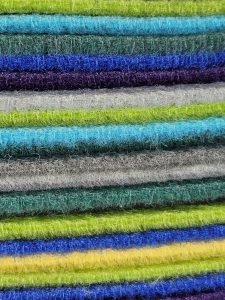
Close-up view of vibrant and fluffy stacked fabric layers in various colors, showcasing texture and pattern.

Wool Felt vs Synthetic Felt: What’s the Difference?

When it comes to felt materials, not all felts are created equal. Many people wonder what distinguishes wool felt from synthetic felt, or how to identify real wool felt from imitation products. In this article, we’ll explore the main differences, helping you choose the right type of felt for your projects or products. As a leading wool felt manufacturer in China, we specialize in producing custom wool felt and synthetic felt for both industrial and craft uses, supporting OEM, ODM, and wholesale services. 1. What Is the Difference Between Felt and Wool Felt? Felt is a non-woven fabric made by compressing and matting fibers together using heat, moisture, and pressure. Wool felt, however, is specifically made from natural sheep’s wool fibers. Wool contains microscopic scales that naturally interlock when exposed to moisture and agitation, forming a dense, durable textile. In contrast, general felt may be made from synthetic fibers such as polyester, acrylic, or rayon — these require chemical bonding or needle punching instead of natural felting. In short: Wool felt = made from natural wool, soft, resilient, biodegradable. Synthetic felt = made from man-made fibers, cheaper, less elastic, not biodegradable. 2. What Is the Difference Between Real Wool Felt and Fake Wool Felt? Real wool felt is made with 100% wool or a high percentage of wool mixed with minimal synthetic fibers for stability. It feels soft, warm, and slightly springy to the touch. When burned, real wool smells like burnt hair and turns to ash. Fake wool felt, on the other hand, is usually polyester felt dyed to imitate wool. It’s smoother, often too uniform in texture, and will melt when exposed to flame instead of turning to ash. Quick test: ✔️ Burn a small edge — wool turns to ash; polyester melts. ✔️ Touch — wool is

Continue Reading

Everything You Need to Know About Hemp Fiber

What Is Hemp Fiber? Hemp fiber is a natural plant fiber obtained from the stalk of the Cannabis sativa plant. Unlike its psychoactive relative, industrial hemp contains negligible THC and is cultivated mainly for its strong, sustainable fibers, seeds, and oil. These fibers are among the oldest known to humankind and have been used for thousands of years in ropes, sails, textiles, and paper. What Is Hemp Fiber Called? Hemp fiber is often called bast fiber, referring to the fibers extracted from the plant’s outer stem. In the textile and material industry, it’s also known as industrial hemp, hemp textile fiber, or simply hemp. Uses of Hemp Fiber Hemp fiber is widely valued for its strength, durability, and eco-friendliness. Today, it’s used in: Textiles: hemp clothing, T-shirts, denim, shoes, and upholstery fabrics Industrial materials: ropes, canvas, sacks, sails, and geotextiles Composite and bioplastics: automobile interiors, construction materials, and packaging Home products: insulation, carpets, curtains, and bedding Paper and specialty items: high-quality paper, filters, and hemp-filled cushions What Is Hemp Filling? Hemp filling or hemp fiber filling refers to the use of hemp fibers as natural stuffing material in cushions, mattresses, and insulation. It’s breathable, moisture-regulating, and biodegradable. What Is a Hemp T-Shirt? A hemp T-shirt is made from fabric woven with hemp fibers, sometimes blended with organic cotton or bamboo for softness. These shirts are known for being stronger, more breathable, and longer-lasting than standard cotton tees. Strength and Quality of Hemp Fiber How Strong Is Hemp Fiber? Hemp is one of the strongest natural plant fibers—up to three times stronger than cotton. It has excellent tensile strength, meaning it resists stretching and tearing while remaining lightweight and breathable. Is Hemp Stronger Than Carbon Fiber? Although hemp is extremely strong for a natural material, carbon fiber is still stronger in terms of tensile strength

Continue Reading

What Is Wool Felt? Everything You Need to Know About This Natural Material

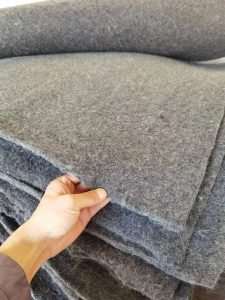
Wool felt is not only one of the oldest textiles in human history but also one of the most versatile materials used today. As a professional wool felt manufacturer and OEM/ODM supplier, we are committed to offering high-quality, eco-friendly wool felt products for global customers. Whether you need custom wool felt, industrial felt, or private label felt products, this guide will help you understand everything about this amazing natural fiber. What is Wool Felt Made Of? Wool felt is made from natural animal fibers—most commonly sheep’s wool. Depending on the application, it can also be blended with other fibers for specific performance needs. There are two main production types: needle-punched felt and pressed (wet) felt. Needle-punched felt is made by mechanically entangling fibers using barbed needles. Pressed felt is formed through moisture, heat, and pressure, causing the wool fibers to naturally interlock. Because of its durability and flexibility, wool felt is widely used in many industries. Common applications include thermal insulation, wall padding, cold chain packaging liners, mattress layers, sofa and furniture padding, jacket linings, industrial felt, enamel felt, automotive interiors, and shoe insoles. As a leading wool felt supplier in China, we can customize every detail—thickness, density, and composition—to meet your specific project requirements. Is Wool Felt Always 100% Wool? Not always. Some felts include synthetic fibers to enhance strength or reduce cost. However, 100% wool felt—made entirely from natural fibers—offers outstanding softness, breathability, and eco-friendliness. Our factory specializes in all kinds of wool felt production, ensuring that every batch meets international standards. We supply custom wool felt rolls, sheets, and finished parts for various OEM and industrial uses. What is 100% Wool Felt? 100% wool felt contains no synthetic fibers. It maintains the natural benefits of wool—excellent thermal insulation, moisture absorption, softness, and elasticity—while being fully biodegradable and sustainable.

Continue Reading

Mattress Treasure: Horsehair – Nature’s Gift to Perfect Sleep

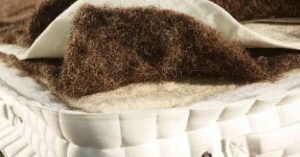
As a mattress maker, we know that the secret of sublime rest lies not only in meticulous craftsmanship, but also in an uncompromising devotion to natural materials. Among all fibres, none rivals horsehair. Strong, spring-like and inherently healthy, it is the heart of every luxury mattress we build. A Gift from Nature, Perfected over CenturiesFor hundreds of years European nobility and the world’s finest furniture houses have relied on horsehair. We select only the longest fibres from mane and tail. Most are gathered only after the animal has died naturally, ensuring ethical sourcing and a truly sustainable use of this precious resource. From Field to Bedroom – A Masterclass in CraftRaw horsehair becomes a comfort layer only after a sequence of exacting steps: PurificationThe hair is washed in near-boiling water, rinsed repeatedly and sterilised, leaving it immaculate and hypoallergenic. Curl-SettingSpun into ropes and left for months in controlled conditions, each strand develops a permanent, resilient crimp. Hand-TeasingMaster craftsmen painstakingly open the ropes by hand, creating millions of microscopic “natural springs” that give the mattress its buoyant support. Why Horsehair Outperforms Every Synthetic • Built-in VentilationEvery fibre is hollow, acting like a tiny air duct. Moisture is drawn away and replaced with fresh air, keeping the sleep surface cool and dry. Wet horsehair shaken once is almost dry to the touch—no foam can match that. • Endless ElasticityUnlike synthetic layers that sag, each crimped hair functions as an individual coil. The mattress retains its loft and support for decades. • Intelligent ThermoregulationHorsehair insulates when it’s cold and dissipates heat when it’s warm, creating a consistent micro-climate all night long. • Naturally HealthyThe fibre is inherently resistant to bacteria, fungi and dust mites, and our cleaning process eliminates allergens, making it ideal even for the most sensitive sleepers. Luxury with a ConscienceA

Continue Reading

Ask for a quote

Welcome your inquire. You will get our quotation within 24 hours.

Get a free sample